
I still remember the frantic, sweaty panic of sitting in a high school wrestling room, staring at a teammate’s leftover snack and wondering if my entire season was about to go up in flames. When you’re trying to cut weight and maintain explosive power, navigating wrestling food allergies feels less like a dietary choice and more like a constant tactical battle. Most people will tell you to just “be careful” or buy some overpriced, specialized supplements, but that’s useless advice when you’re staring down a buffet of unknown ingredients in a crowded tournament hall.
I’m not here to sell you a magic meal plan or a complicated way of life that keeps you from the mat. My goal is to give you the practical, science-backed tools to manage your triggers without sacrificing your performance. We are going to strip away the guesswork and focus on how to treat your nutrition as reliable fuel rather than a source of anxiety. You deserve to step into that circle feeling capable and strong, not worried about what happened at the pre-match meal.
Table of Contents
- Nutritional Safety for Combat Sports Building a Reliable Foundation
- Allergen Free Meal Prep for Athletes Consistency Over Chaos
- Five Ways to Keep Your Fuel Safe and Your Training On Track
- The Bottom Line: Training Through the Friction
- ## Fueling Through the Friction
- Final Thoughts on Staying Mat-Ready
- Frequently Asked Questions
Nutritional Safety for Combat Sports Building a Reliable Foundation
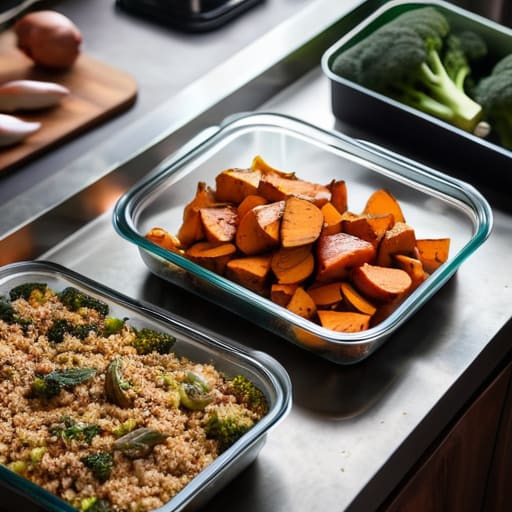
When you’re in the middle of a heavy training block or preparing for a tournament, the last thing you need is a sudden reaction that pulls you off the mat. Building a reliable foundation starts with allergen-free meal prep for athletes to remove the guesswork from your daily routine. I always tell my clients that consistency isn’t just about how many reps you hit; it’s about knowing exactly what is going into your body. By prepping your own meals, you take control of the ingredients and eliminate the risk of cross-contamination that often hides in pre-packaged gym snacks or shared kitchen spaces.
Beyond the kitchen, you need a tactical plan for when you’re away from home. This means having a stash of safe competition snacks—think simple, whole foods like rice cakes or specific protein bars you’ve vetted—tucked into your gear bag. We also have to be realistic about the intensity of our sport; high-intensity grappling can sometimes mask early symptoms of a reaction. Prioritizing nutritional safety for combat sports means being hyper-aware of your body’s signals and never treating a potential reaction as “just fatigue” from a hard session.
Allergen Free Meal Prep for Athletes Consistency Over Chaos
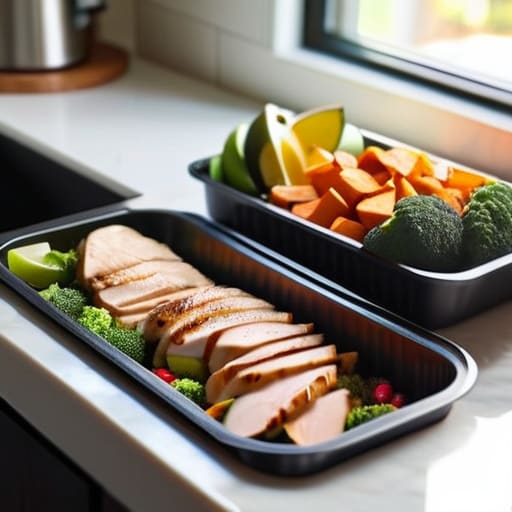
When you’re in the middle of a heavy training block or prepping for a tournament, the last thing you need is a chaotic kitchen. For me, consistency is the foundation of strength, and that includes how you handle your food. Allergen-free meal prep for athletes isn’t about being restrictive; it’s about removing the guesswork so you can focus on your technique. I always tell my clients to batch-cook proteins and grains that are verified safe for them. If you’re prepping on Sunday, you aren’t scrambling for a “safe” option on a Tuesday night when your energy is flagging and your brain is fried from drilling.
The goal is to create a system where your nutrition works for you, not against you. This means labeling everything clearly and keeping a stash of safe competition snacks in your gym bag at all times. Whether it’s a specific brand of rice cakes or a homemade protein bar, having these backups prevents you from reaching for whatever is available in the cafeteria or vending machine. When you control your environment, you control your performance.
Five Ways to Keep Your Fuel Safe and Your Training On Track
- Audit your supplement stack. I’ve seen too many athletes get sidelined by a “clean” protein powder that’s secretly packed with soy lecithin or pea protein derivatives that trigger a reaction. Read every label twice—don’t just trust the marketing on the front.
- Build a “Safe Food” kit for away meets. When you’re traveling for tournaments, you can’t rely on the venue’s catering. Keep a stash of your go-to, allergen-free bars or electrolyte packets in your gear bag so you aren’t scrambling for questionable options when hunger hits.
- Master the art of the direct question. When you’re at a training camp or a team dinner, don’t be shy about asking the cook exactly what’s in the sauce. It’s not being “difficult”; it’s being professional about your body’s requirements.
- Watch your cross-contamination in the gym. If you share a kitchen or a common area with teammates, be mindful of shared utensils. A little bit of peanut residue on a shared spoon can turn a heavy lifting session into an emergency real quick.
- Prioritize gut health alongside allergy management. Managing an allergy is about avoidance, but building resilience is about what you do eat. Focus on whole, single-ingredient foods that you know are safe to ensure your digestive system stays as strong as your squat.
The Bottom Line: Training Through the Friction
Treat your nutrition like your training regimen—consistency is your best defense against the chaos of unexpected allergic reactions.
Don’t let food restrictions become a mental hurdle; focus on high-quality, allergen-safe fuel that supports your strength and recovery.
Prioritize clear communication with coaches and teammates so your safety becomes a seamless part of your performance, not an afterthought.
## Fueling Through the Friction
“In wrestling, we talk a lot about controlling the variables you can—your stance, your grip, your intensity. If you have food allergies, your nutrition is just another variable to master. Don’t let an unexpected reaction knock you off your mat; treat your meal plan like your training regimen: disciplined, intentional, and built to keep you moving forward.”
Tamsin Broadhurst
Final Thoughts on Staying Mat-Ready
Managing food allergies while training for combat sports isn’t about finding a perfect, magic solution; it’s about building a system that works for your specific biology. We’ve covered how to establish a solid nutritional foundation, how to prioritize safety during high-intensity training, and why consistent meal prep is your best defense against the chaos of a busy wrestling schedule. At the end of the day, it comes down to eliminating the guesswork. When you stop treating your nutrition like a series of accidents and start treating it like a tactical part of your training, you remove the friction that keeps you from performing at your peak.
I know it feels like an extra weight to carry sometimes, especially when you’re already pushing your body to its limits on the mats. But remember, an allergy doesn’t define your capability—it just defines your strategy. Don’t let the fear of a reaction or the stress of a label keep you from the sport you love. You are building strength through discipline, and that includes the discipline of fueling yourself correctly. Stay consistent, stay prepared, and keep showing up. You’ve got the grit to handle the wrestling; you definitely have the grit to handle your nutrition.
Frequently Asked Questions
How do I handle accidental exposure during high-intensity training sessions or at away meets?
Accidental exposure is a reality, especially in the chaos of an away meet. First, don’t panic—panic messes with your breathing and your focus. If you’ve been exposed, trust your protocol immediately. Keep your meds in your gear bag, not tucked away in a locker. If you’re at a tournament, identify the medical staff before you even step on the mat. Knowing exactly where your lifeline is ensures you can get back to training faster.
Can I still hit my protein and calorie targets for strength gains if I have to cut out common staples like dairy or soy?
Absolutely. Cutting out dairy or soy feels like losing your best tools, but it’s really just a pivot in your strategy. I’ve seen athletes struggle when they think those are their only options, but you can easily hit your macros with poultry, eggs, hemp seeds, or pea protein. Stop viewing these restrictions as a deficit and start seeing them as a chance to diversify your fuel. Focus on nutrient density, and your strength won’t skip a beat.
What’s the best way to communicate my specific dietary needs to coaches and tournament organizers without making it a huge ordeal?
Stop treating it like a confession and start treating it like a technical requirement. When I talk to coaches, I don’t make it a “thing”—I just present it as a performance necessity. Use a “Quick-Fact Sheet”: a single, bulleted digital note or printed card listing your triggers and safe swaps. Send it via text or email well before the season starts. Be direct, be brief, and frame it as how you stay at your best.
