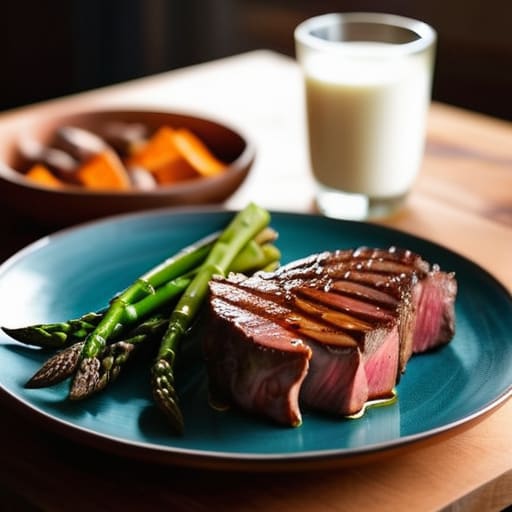
I remember sitting on the edge of a sweat-soaked wrestling mat in my early twenties, staring at a Tupperware container of plain chicken and rice, feeling absolutely nothing but bloat and frustration. I was working twice as hard in the gym but seeing zero progress because I was terrified of the scale. People will tell you that hitting a caloric surplus for mass requires expensive, proprietary powders or a diet that makes you feel like a slave to your kitchen timer. They make it sound like some complex, high-stakes math equation that only “pros” can solve. Honestly? That’s total nonsense. You don’t need a PhD or a mountain of supplements to grow; you just need to stop treating your food like an enemy and start seeing it as the raw material for your strength.
I’m not here to sell you a magic pill or a complicated meal plan that falls apart the second you have a busy Tuesday. My goal is to give you the straight talk on how to fuel your movement so you can actually build the functional capability you’re training for. We’re going to strip away the hype and focus on how to use a surplus to drive real, lasting progress without losing your mind in the process.
Table of Contents
Calculating Tdee for Muscle Growth and Consistent Progress

Before you start throwing everything in the pantry into your meals, we need to talk numbers. You can’t build a house without knowing how much concrete you actually need, and the same goes for your body. Calculating TDEE for muscle growth is your starting line. This number represents your Total Daily Energy Expenditure—basically, how much energy your body burns just to exist and move through your training sessions. If you guess blindly, you’re either going to end up spinning your wheels because you aren’t eating enough, or you’ll end up feeling sluggish and heavy because you overshot the mark.
Once you have that baseline, the goal isn’t to just eat everything in sight. There is a massive difference between lean bulking vs dirty bulking. I’m not interested in seeing you gain ten pounds of fluff in a month just because you found a way to eat more pizza. We want to aim for a controlled surplus—usually around 250 to 500 calories above your maintenance—to prioritize preventing excessive fat gain while still providing the raw materials for muscle repair. It’s about precision, not gluttony.
Hypertrophy Nutrition Strategies for Sustained Strength
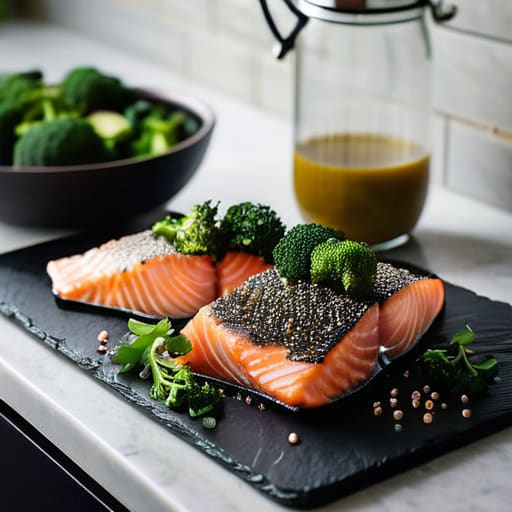
Once you’ve got your numbers dialed in, you need to decide how you’re actually going to eat. I see a lot of people fall into the trap of “dirty bulking”—basically eating anything and everything in sight just to see the scale move. While that might get you bigger, it usually comes with a side of sluggishness and unnecessary inflammation that’ll tank your performance in the gym or on the mats. I’m a huge advocate for lean bulking vs dirty bulking; I want you to gain muscle, not just a layer of soft tissue that makes your joints feel heavy and uncoordinated.
To do this right, your focus should be on high-quality, nutrient-dense fuel. This means prioritizing high protein surplus meals that support muscle repair without relying on processed junk. Don’t get too hung up on perfect macronutrient ratios for bulking, but do aim for a steady stream of amino acids and complex carbs. If you approach your plate with intention, you’ll find that preventing excessive fat gain becomes much easier, leaving you with the kind of functional, dense strength that actually translates to real-world capability.
Stop Guessing and Start Fueling: 5 Ways to Master Your Surplus
- Aim for a “lean gain” rather than a free-for-all. You don’t need to eat everything in sight to grow; a modest surplus of 250–500 calories above your maintenance is the sweet spot for building muscle without feeling sluggish or gaining excessive fat.
- Prioritize protein, but don’t obsess over it to the exclusion of everything else. While you need that amino acid foundation to repair the tissue you’re breaking down in the gym, your carbohydrates are what actually drive your intensity during a heavy lifting session.
- Use liquid calories when the scale isn’t moving. If you’re sitting there feeling too full to eat another solid meal, don’t force it—blend some oats, protein, and nut butter into a shake. It’s much easier to drink your fuel than to chew it when you’re hitting your targets.
- Track your performance, not just your weight. If the scale is going up but your strength in the squat rack is stalling, you might just be eating too much junk. True progress is seeing those numbers on the bar climb alongside your body weight.
- Consistency beats perfection every single time. You’re going to have days where you miss your macros or eat a meal that wasn’t “optimal.” Don’t sweat it. Just get back to your fueling plan at the next meal and keep moving forward.
The Bottom Line for Building Real Strength
Stop obsessing over perfection and start focusing on consistency; a slight, steady surplus is far more effective for long-term muscle growth than a massive, unsustainable binge.
Treat your food as functional fuel rather than a math equation—if you aren’t eating enough to support your training intensity, you aren’t building capability, you’re just spinning your wheels.
Monitor your progress through performance and how you feel in the gym, not just the number on the scale, to ensure the weight you’re adding is actually driving strength gains.
Fuel Over Fear
Stop looking at a caloric surplus like it’s something you have to “manage” or fear will ruin your progress; think of it as the raw materials required to build a more capable, powerful version of yourself.
Tamsin Broadhurst
Building Your Foundation

At the end of the day, hitting a caloric surplus isn’t about mindless eating or chasing a number on a scale just for the sake of it. It’s about the math of movement. We’ve covered how to find your TDEE, how to structure your hypertrophy meals, and why consistent fueling is the only way to actually see the results of your hard work in the gym. If you aren’t eating enough to support the load you’re lifting, you’re essentially trying to drive a car with an empty tank. Stop overcomplicating the science and start focusing on consistent, high-quality fuel that allows your body to actually repair and grow. Remember, a surplus is a strategic tool, not an excuse to abandon your nutrition standards.
I know it can feel daunting to step away from the “eat less, move more” mindset that society pushes on us, especially when you’re trying to build real, functional power. But I promise you, the strength you gain by feeding your body what it needs is worth every extra meal. We aren’t training to fit into a specific clothing size; we are training to be capable, resilient, and strong in every aspect of our lives. Whether you’re stepping onto a wrestling mat or just trying to hit a new PR on your deadlift, your nutrition is the foundation of that capability. Now, get back to work and eat like you mean it.
Frequently Asked Questions
How do I know if my surplus is actually building muscle or just adding unnecessary body fat?
Stop obsessing over the scale as your only metric. If you’re gaining weight but your strength in the rack is stalling or your clothes are getting tight in the wrong places, you’re likely overshooting your surplus. Watch your lifts. If those numbers are climbing alongside a slow, controlled increase in body weight, you’re on the right track. If the scale jumps three pounds in a week but your deadlift is stagnant? Scale back the calories.
Do I really need to hit my macros perfectly every single day, or is there some wiggle room for a lifestyle that isn't just training?
Look, if you’re waiting for a “perfect” day to start eating for growth, you’re never going to start. Life happens—social dinners, travel, or just a day where you’re too exhausted to meal prep. Perfection is the enemy of consistency. Aim for your macros most of the time, but don’t let one off-track meal derail your entire week. Focus on the weekly average. If the trend is moving upward, you’re winning.
If I'm feeling sluggish or heavy during my wrestling sessions, does that mean my surplus is too high?
Not necessarily. If you’re feeling sluggish, it’s usually not about the amount of food, but the timing and the composition. If you’re slamming a massive, carb-heavy meal right before hitting the mats, your body is diverting blood to digestion instead of your muscles. That heavy feeling is often just poor fueling strategy. Check your pre-training window—focus on easily digestible carbs and moderate protein—rather than just slashing your total calories.
