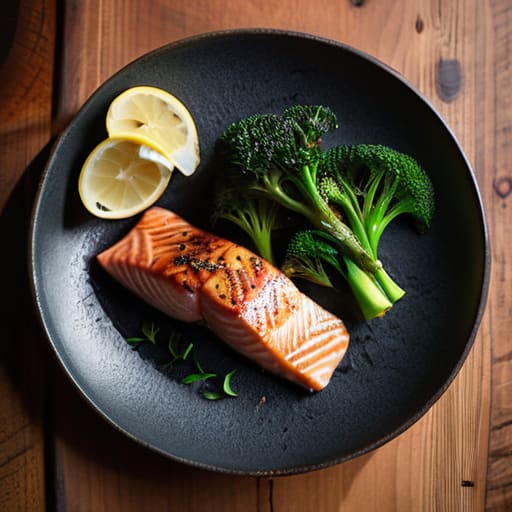
I remember sitting in a humid, dimly lit wrestling room back in my early twenties, staring at a lukewarm container of processed protein bars and wondering why I felt like I was running on empty. Everyone was obsessed with the latest expensive, neon-colored supplements, acting like a magic powder was the only way to recover after a brutal two-a-day. It’s a total myth that you need a massive budget to find effective wrestling protein sources; honestly, most of that hype is just marketing designed to drain your wallet while leaving your muscles hungry. You don’t need a laboratory-grade formula to recover from a heavy sprawl; you need real fuel that actually works.
I’m not here to sell you a lifestyle or a complicated meal plan that takes three hours to prep. My goal is to cut through the noise and give you a direct, science-backed list of the most efficient foods to support your strength and recovery. We are going to focus on functional nutrition—the kind of high-quality protein that helps you show up to the mat feeling capable, not just bloated. Consider this your no-nonsense guide to eating for the grind.
Table of Contents
Complete Protein Sources for Muscle Growth and Durability
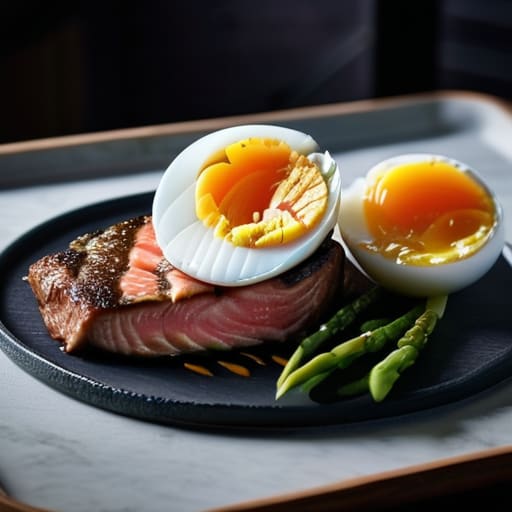
If you’re looking to build actual durability, you can’t just settle for any old snack. You need complete protein sources for muscle growth—the kind that pack all nine essential amino acids your body can’t make on its own. I always tell my athletes to prioritize animal-based proteins like grass-fed beef, eggs, and wild-caught fish. These aren’t just “food”; they are the building blocks that repair the micro-tears in your muscles after a brutal session on the mats.
For those of you fighting to stay within specific weight limits, don’t panic. You can maintain a high protein diet for weight management by leaning heavily on lean poultry and Greek yogurt. These options keep you satiated so you aren’t crashing mid-practice, while still providing the amino acid profile necessary for muscle recovery for wrestlers. Whether you’re cutting weight or building mass, the goal is the same: get the right building blocks in your system so you can show up to the next practice stronger than you were yesterday.
The Best Protein for Combat Sports Performance
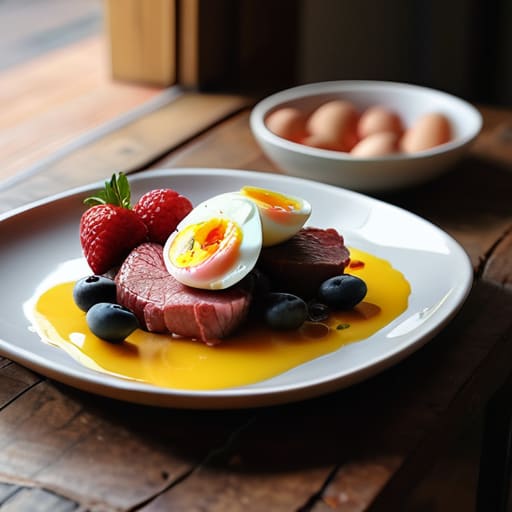
When you’re in the middle of a grueling scramble or a heavy drilling session, your body isn’t just burning calories; it’s breaking down tissue. To stay ahead of that damage, you need to prioritize the best protein for combat sports—specifically sources that offer a full amino acid profile to repair what the mats just took out of you. I’m not talking about fancy, expensive powders that taste like chalk; I’m talking about real, bioavailable fuel like eggs, lean beef, or Greek yogurt. These provide the structural building blocks necessary for sustained power output during those final, decisive minutes of a match.
Timing also matters more than most people realize. If you want to optimize muscle recovery for wrestlers, you can’t just wait until your next big meal to think about nutrition. Getting a high-quality protein source in shortly after you step off the mats helps flip the switch from a state of breakdown to a state of repair. It’s about being proactive rather than reactive. If you treat your nutrition with the same discipline you bring to your technical drills, you’ll find that your ability to bounce back between sessions improves drastically.
How to Actually Use Protein to Fuel Your Training
- Stop chasing perfection and focus on timing; try to get a solid dose of protein within an hour or two after your wrestling sessions or heavy lifting to jumpstart that recovery process.
- Don’t just rely on shakes; whole food sources like eggs, chicken, or lentils provide the micronutrients your body needs to handle the inflammation that comes with combat sports.
- Prioritize protein density so you aren’t eating massive amounts of volume just to hit your numbers, especially on days when you’re feeling heavy or sluggish before a match.
- Spread it out. Your body can’t process a massive protein dump all at once, so aim for consistent hits throughout the day to keep your muscle protein synthesis steady.
- Listen to your gut. If a specific protein source makes you feel bloated or heavy during drills, swap it out—you can’t train effectively if your digestion is working harder than your muscles.
The Bottom Line: Fueling Your Performance
Stop chasing perfection and focus on consistency; hitting your protein targets daily matters more than finding a “magic” supplement.
Prioritize high-quality, whole-food protein sources to ensure you aren’t just building muscle, but actually recovering from the physical toll of combat training.
View your nutrition as functional fuel rather than a restriction—eat to support the work you’re doing on the mats and in the weight room.
## Fueling the Grind
“In the wrestling room, you can’t out-hustle a bad diet; if you aren’t prioritizing high-quality protein, you’re just leaving your recovery—and your performance—on the mat.”
Tamsin Broadhurst
The Bottom Line
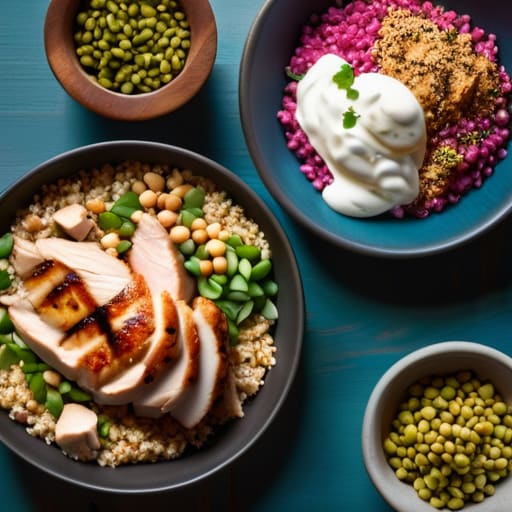
At the end of the day, hitting your protein goals isn’t about perfection or following some complex, bio-hacked meal plan. It’s about making sure you have the raw materials to repair the damage you do on the mat and in the weight room. Whether you’re leaning on lean poultry, plant-based staples, or high-quality dairy, the goal remains the same: consistent, reliable fuel. Don’t get caught up in the noise of supplements or trendy powders if you aren’t hitting your foundation first. Focus on getting those complete amino acid profiles into your meals so your body actually has the tools to rebuild the muscle you’re working so hard to earn.
Remember, your nutrition is just as much a part of your training as your drilling or your heavy triples. You wouldn’t show up to a match without your gear, so don’t show up to your recovery without the right fuel. Strength isn’t something that just happens to you; it’s something you build, one meal and one rep at a time. Stay disciplined, stay hungry, and treat your body like the high-performance machine it is. You’ve put in the work on the mats—now make sure you’re giving yourself the support to stay in the fight.
Frequently Asked Questions
How do I balance my protein intake if I’m cutting weight for a competition without losing my strength?
This is the hardest part of the grind, but you can’t starve your muscles if you want to stay explosive on the mat. When you’re cutting weight, your protein needs actually go up. Aim for a higher percentage of your total calories from lean sources like chicken, white fish, or egg whites. This protects your lean mass while your total energy drops. Prioritize protein around your training windows to keep your strength intact.
Are plant-based protein sources actually enough to support the recovery needed for heavy wrestling sessions?
Short answer: Yes, but you can’t just wing it. If you’re relying on plants, you have to be intentional about amino acid profiles. You can’t just eat a side of salad and expect to recover from a heavy wrestling session. You need to pair sources—think lentils with rice or hemp seeds in your smoothie—to ensure you’re getting the full spectrum. It’s about density and variety, not just hitting a number.
When is the best time to hit my protein window to make sure I'm actually recovering and not just eating for the sake of it?
Stop obsessing over a magical “30-minute window”—it’s a myth that just adds unnecessary stress to your training. While getting protein in after a heavy session or a hard wrestling practice is great for kickstarting repair, what actually matters is your total daily intake. Focus on hitting your protein targets consistently throughout the day. Spread it out across your meals so your body has a steady supply of fuel to rebuild those muscles while you sleep.
