
I still remember the smell of stale sweat and rubber mats in that cramped high school wrestling room, sitting there with my stomach cramping and my head spinning after a brutal sauna session. I was nineteen, convinced that if I wasn’t dizzy and miserable, I wasn’t “doing it right.” Looking back through the lens of my exercise science degree, I realize I wasn’t being disciplined; I was being reckless. There is a dangerous culture in this sport that treats suffering as a badge of honor, but we need to have a real conversation about wrestling weight cutting safety before someone gets seriously hurt.
I’m not here to sell you some overpriced, magic detox tea or a complicated fasting protocol that leaves you shaking during your matches. My goal is to strip away the nonsense and give you a science-backed approach to managing your weight without sacrificing your athletic performance. I’m going to show you how to navigate the scale while keeping your strength intact, because you deserve to step onto that mat feeling powerful and capable, not just light and depleted.
Table of Contents
Understanding the Weight Cutting Physiological Impact

When you strip away water and glycogen to hit a specific number on the scale, you aren’t just losing “weight”—you’re fundamentally altering your body’s chemistry. The weight cutting physiological impact goes far beyond a temporary feeling of lethargy; it’s a systemic shock. When we force the body into a massive deficit, we’re messing with our internal homeostasis. This isn’t just about being thirsty; it’s about how your cells actually function under pressure.
One of the biggest risks I see is a massive electrolyte imbalance in athletes, which can throw your nervous system into chaos. If your sodium and potassium levels are tanked, your muscles won’t fire correctly, and your reaction time—which is everything on the mat—will plummet. We also have to talk about the heavy hitters: renal function and rapid weight loss. Pushing through extreme dehydration puts an immense strain on your kidneys, which are essentially trying to filter blood that has become thick and sluggish. If you aren’t careful, you aren’t just sacrificing a match; you’re risking long-term damage to your metabolic health.
Protecting Renal Function and Rapid Weight Loss Risks

When we talk about the dangers of a bad cut, we often focus on the immediate dizziness or fatigue, but the internal damage is much more serious. One of the biggest red flags I look for is the direct link between renal function and rapid weight loss. When you strip your body of fluids too quickly, your kidneys are forced to work overtime to filter waste without enough solvent to move it through. This isn’t just about being thirsty; it’s about the risk of acute kidney injury. If you’re pushing through a sweat session in a sauna while ignoring the signs of severe dehydration—like dark urine or muscle cramping that won’t quit—you are playing a dangerous game with your long-term health.
I’ve seen too many athletes prioritize the scale over their actual biology. A massive drop in body mass in a short window creates a massive electrolyte imbalance in athletes, throwing your sodium and potassium levels completely out of whack. This doesn’t just tank your energy; it can mess with your heart rhythm and neurological function. We need to treat safe weight management for wrestlers as a non-negotiable part of our training, not an afterthought.
Stop Guessing and Start Managing: 5 Ways to Protect Your Performance
- Ditch the “crash and burn” mentality by prioritizing a slow, steady descent toward your target weight rather than trying to shed ten pounds in forty-eight hours.
- Keep your electrolytes front and center; if you’re just drinking plain water while sweating out pounds, you’re asking for cramping and brain fog that will tank your performance on the mat.
- Track your body composition, not just the scale, so you can differentiate between losing actual body fat and stripping away the muscle you worked so hard to build.
- Listen to your body’s red flags—if you’re feeling dizzy, experiencing heart palpitations, or can’t focus, you’ve crossed the line from “discipline” into “danger,” and you need to stop immediately.
- Master your post-weigh-in rehydration protocol by focusing on liquid carbohydrates and electrolytes to refuel your glycogen stores, rather than just slamming a greasy burger.
The Bottom Line: Staying Strong While Making Weight
Stop treating your body like a math equation; prioritize hydration and steady nutrient intake over extreme deficits to ensure you aren’t sacrificing your kidneys or your performance for a number on the scale.
Learn to distinguish between “weight loss” and “strength loss”—if you’re feeling dizzy, lethargic, or mentally foggy during training, your cut is officially failing your physiology.
Consistency beats desperation every single time; use a structured, gradual approach to weight management so you walk onto the mat feeling capable and powerful, not depleted and broken.
Performance Over the Scale
“If you’re sacrificing your kidney function and your explosive power just to hit a number on a scale, you haven’t actually ‘made weight’—you’ve just engineered a way to lose the match before it even starts.”
Tamsin Broadhurst
The Long Game
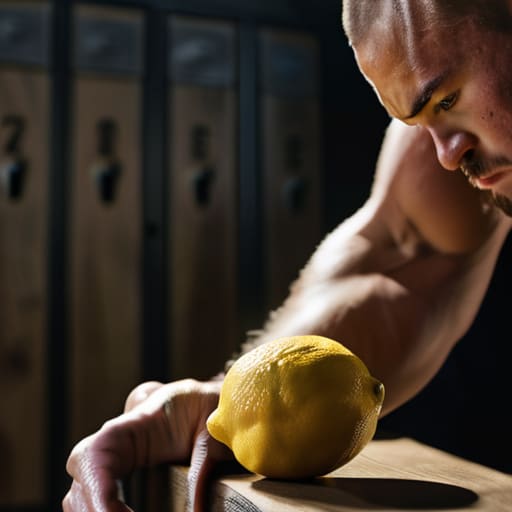
At the end of the day, cutting weight shouldn’t feel like a war against your own biology. We’ve talked about the massive strain this puts on your kidneys and the physiological chaos that happens when you prioritize a number on a scale over your actual health. If you aren’t managing your electrolytes, monitoring your hydration, and respecting the science of how your body processes fuel, you aren’t just risking a bad performance—you’re risking long-term damage. Don’t let a temporary weight class dictate your lifelong physical well-being. The goal is to step onto that mat feeling capable and explosive, not depleted and hollow.
I know the pressure to make weight is intense, especially in the wrestling community, but I want you to remember why we train in the first place. We lift to be strong, we drill to be technical, and we compete to prove our grit. Don’t trade your hard-earned strength for a few extra pounds of muscle that you end up stripping away right before the whistle blows. Build a body that can sustain the grind, not just one that can fit into a specific weight bracket. Train for longevity, fuel for performance, and remember that true power comes from a foundation of sustained health, not a desperate weight cut.
Frequently Asked Questions
How do I know if my current weight cut is actually hurting my performance on the mat?
Listen to your body, not just the scale. If you’re hitting your marks but feeling sluggish during live wrestling, something is wrong. Watch for the red flags: a noticeable drop in explosive power, brain fog during technical drilling, or an inability to recover between periods. If your grip strength feels weak or you’re losing that mental edge when the grind gets heavy, you aren’t just “cutting”—you’re starving your performance. Don’t trade your skill for a number.
What are some practical ways to manage electrolyte balance without feeling bloated during weigh-ins?
Stop overdoing the salt tablets right before you step on the scale. If you’re slamming massive amounts of sodium, you’re just going to hold water and feel heavy. Instead, focus on consistent, moderate electrolyte intake throughout your training cycle. Use a high-quality electrolyte powder during your workouts to maintain baseline levels, then taper off the heavy sodium intake 24–48 hours before weigh-ins. It’s about steady maintenance, not a last-minute salt dump.
Are there specific supplements that actually help with the process, or is most of that just marketing noise?
Look, most of what you see in supplement aisles is just expensive marketing noise designed to exploit your desperation. Don’t fall for the “fat burners” or “miracle” pills; they’re useless and often dangerous when you’re already dehydrated. If you want to be smart, stick to the basics: high-quality electrolytes to manage fluid shifts and perhaps some BCAAs if you’re training in a deficit to protect muscle. Everything else is just clutter.
