I remember sitting on the edge of a wrestling mat in a humid, poorly ventilated gym, feeling like my entire body was vibrating with a dull, heavy ache that no amount of stretching could touch. I was in my early twenties, pushing my limits, but I was also fueling my body with nothing but processed convenience and sheer willpower. I thought I could out-train a bad diet, but my joints were paying the price. I quickly realized that if I wanted to stay on the mat and keep lifting heavy, I couldn’t just ignore the systemic heat building up inside me; I had to start prioritizing anti inflammatory foods to actually recover.
I’m not here to sell you some expensive, boutique supplement powder or a list of “superfoods” that cost a week’s paycheck. We are going to cut through the marketing noise and focus on real, functional nutrition that supports your movement. I’m going to show you how to use specific, accessible foods to dampen that internal fire so you can show up to your training sessions feeling capable rather than broken. This isn’t about perfection; it’s about building a foundation of fuel that allows you to stay consistent and strong.
Table of Contents
The Omega 3 Fatty Acids Benefits for Lasting Physical Strength
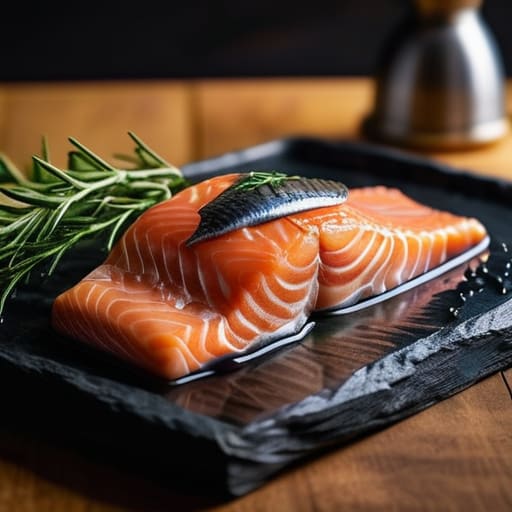
If you’ve ever felt that deep, nagging ache in your joints after a heavy squat session or a grueling wrestling practice, you know that inflammation isn’t just a concept—it’s a physical barrier to your progress. This is where the omega-3 fatty acids benefits really come into play. I tell my athletes that these fats aren’t just “healthy extras”; they are essential tools for reducing systemic inflammation naturally. By incorporating high-quality sources like wild-caught salmon, sardines, or chia seeds, you’re essentially providing your body with the lubricant it needs to keep your joints moving smoothly under load.
Think of omega-3s as your internal recovery crew. While most people focus solely on what to cut out, I focus on what to add to ensure my body can repair itself between bouts of intense training. When we prioritize these fats, we aren’t just chasing a trend; we are building a foundation for lasting physical strength. It’s about making sure your cellular machinery is primed to handle the stress of the gym so you can show up, lift heavy, and stay consistent without being sidelined by preventable aches.
Building an Antioxidant Rich Diet to Protect Your Progress
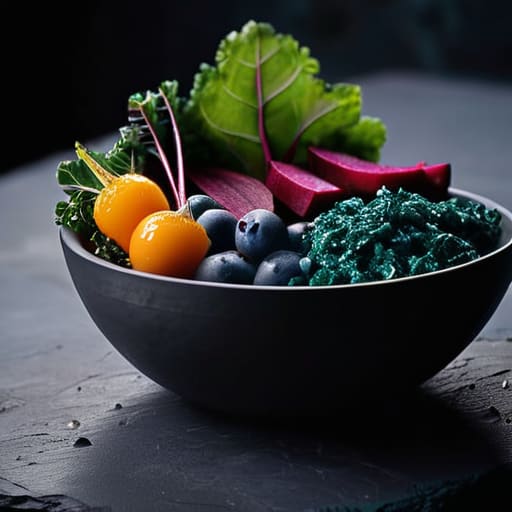
If you’re hitting the mats or pushing heavy triples in the rack, you’re essentially creating controlled stress in your body. That’s fine—it’s how we grow—but you can’t let that stress turn into chronic burnout. This is where an antioxidant rich diet becomes your best teammate. Think of antioxidants as the cleanup crew that shows up after a brutal training session to mop up the oxidative stress left behind. I’m talking about deep pigments: the dark blues in berries, the vibrant greens in kale, and the deep reds in beets. These aren’t just “health foods”; they are tools to help you recover faster so you can get back under the bar.
When I’m working on anti-inflammatory meal planning, I don’t aim for perfection; I aim for coverage. You don’t need a complicated supplement stack if your plate is colorful enough. By flooding your system with these micronutrients, you’re actively reducing systemic inflammation naturally, which keeps your joints feeling fluid and your nervous system ready for the next bout. Stop treating nutrition like an afterthought and start seeing it as the literal foundation of your physical capability.
Stop Overthinking It: 5 Ways to Eat for Recovery
- Prioritize whole foods over “superfood” marketing; a handful of berries or some steamed broccoli will do way more for your inflammation levels than an expensive, processed supplement powder.
- Don’t fear healthy fats, but choose them wisely; swap the processed seed oils in your pantry for extra virgin olive oil or avocado to give your joints the lubrication they actually need.
- Make spices work for you; keep turmeric and ginger on hand to toss into your cooking, as these are natural heavy hitters for managing systemic inflammation after a grueling session.
- Watch your sugar intake like a hawk; refined sugars are essentially fuel for inflammation, so try to stick to complex carbs that provide steady energy instead of a crash-and-burn spike.
- Hydrate with intention; inflammation often thrives when you’re dehydrated, so keep that electrolyte shaker bottle full and make sure you’re drinking enough water to flush out the metabolic waste from your training.
The Bottom Line for Your Training
Stop treating nutrition like a math problem and start seeing it as fuel; focus on adding real, anti-inflammatory whole foods to your plate so you can show up to your next session ready to work.
Consistency beats perfection every single time, so don’t stress about one “off” meal—just get back to prioritizing the nutrients that support your recovery and long-term strength.
Use food as a tool for capability, not just aesthetics, by choosing ingredients that reduce systemic inflammation and keep your joints and muscles ready for the grind.
Fueling the Recovery
Stop treating your diet like a math problem and start treating it like an insurance policy for your joints; eating anti-inflammatory foods isn’t about restriction, it’s about making sure your body is actually capable of showing up for your next heavy session.
Tamsin Broadhurst
Making It Work for You
At the end of the day, managing inflammation isn’t about achieving some impossible standard of perfection; it’s about making smart, tactical choices that support your training. We’ve looked at how flooding your system with omega-3s can protect your joints and how a heavy dose of antioxidants acts like a shield for your hard-earned progress. Whether you’re grabbing a handful of walnuts or loading up on leafy greens, remember that these aren’t just “health foods”—they are essential tools for recovery. Stop treating nutrition like a math problem you have to solve and start seeing it as the strategic fuel your body needs to handle the physical demands you’re putting on it.
I know it’s easy to get caught up in the noise of restrictive diets and fad supplements, but I want you to stay focused on the bigger picture. We don’t eat this way just to check a box; we eat this way so we can show up to the gym, the mat, or the squat rack feeling capable and resilient. Strength is a skill, and just like mastering a takedown or a heavy deadlift, your nutritional habits require consistent, intentional practice. Keep showing up, keep fueling with intention, and build a body that is ready for anything.
Frequently Asked Questions
Do I need to completely cut out processed foods to see any real difference in my recovery?
Look, I’m not a fan of the “all or nothing” mindset. If you try to cut everything out overnight, you’re just setting yourself up for burnout. You don’t need to be perfect to see progress; you just need to be intentional. Focus on crowding out the junk with real, nutrient-dense fuel first. If you swap the processed stuff for whole foods most of the time, your recovery will absolutely shift. Consistency beats restriction every single day.
How much of a difference will these changes actually make if I’m still training heavy every day?
Look, if you’re hitting heavy sessions every single day, these changes aren’t just “nice to have”—they’re non-negotiable. Training at that intensity creates massive systemic stress. If you don’t manage inflammation through your nutrition, you’re essentially redlining an engine without changing the oil. You’ll hit a wall, your recovery will tank, and your strength gains will stall. Think of this as proactive maintenance so you can stay capable and keep showing up.
Can I still get enough anti-inflammatory benefits if I'm following a plant-based diet?
Absolutely. You don’t need meat to fight inflammation, but you do need to be intentional. If you’re going plant-based, stop worrying about “missing out” and start focusing on density. Load up on chia seeds, flax, and walnuts to hit those Omega-3s, and keep the colorful veggies coming for that antioxidant punch. As long as you’re fueling with whole, nutrient-dense plants rather than processed vegan junk, your body will have everything it needs to recover.
