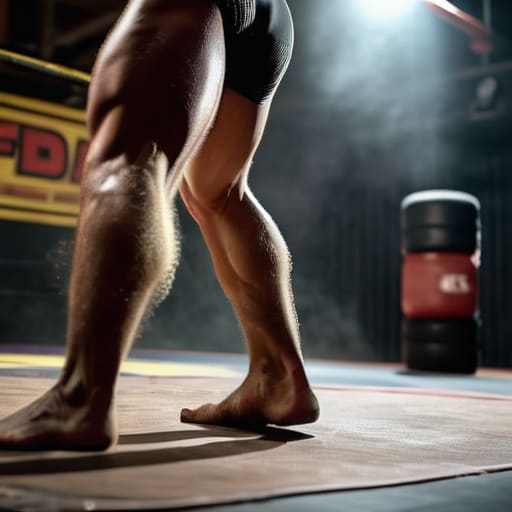
I still remember the smell of stale sweat and old mats in that basement gym during my early twenties, feeling my legs turn to jelly halfway through a grueling scramble. I was working hard, sure, but I was training like a bodybuilder, chasing a pump instead of building the kind of explosive power needed to stay upright. Most people will tell you that you need a dozen different fancy machines or a complex, high-volume split to develop real wrestling leg strength, but they’re selling you noise. If you’re just chasing aesthetics, you’re going to get tossed the second someone hits a real double leg.
I’m not here to give you a complicated puzzle or a list of exercises that look good on Instagram but fail on the mat. My goal is to cut through the fluff and give you a science-based, no-nonsense blueprint for building functional capacity. We are going to focus on heavy, compound movements that translate directly to the grind of a match. I’m going to show you how to stop guessing and start training with the intention of becoming unshakeable when the pressure is on.
Table of Contents
- Posterior Chain Development for Wrestlers the Engine of Movement
- Strength Training for Grapplers Moving Beyond Aesthetics to Capability
- Stop Training for the Mirror: 5 Ways to Build Mat-Ready Leg Strength
- The Bottom Line for the Mat
- ## The Mat Doesn't Care About Your Aesthetic
- Putting the Work into Practice
- Frequently Asked Questions
Posterior Chain Development for Wrestlers the Engine of Movement
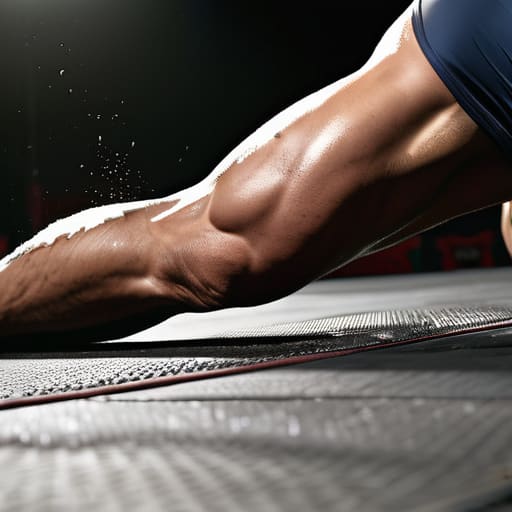
If you’re spending all your time on squats and lunges but your hips feel like they’re moving through molasses when you try to finish a takedown, you’re missing a massive piece of the puzzle. You can have all the quad strength in the world, but without a solid foundation in your hamstrings, glutes, and lower back, you’re going to get neutralized. Posterior chain development for wrestlers isn’t just about aesthetics; it’s about creating the structural integrity needed to hold a position and the raw power required to drive through an opponent.
I always tell my athletes that your posterior chain is the engine of every single movement on the mat. When you’re working on improving shot speed, it isn’t just about how fast your legs move forward; it’s about the explosive snap coming from your hips. Incorporating movements like heavy Romanian deadlifts or kettlebell swings into your routine ensures that your strength is functional. We aren’t just lifting for the sake of the numbers on the bar; we are training for mat-specific leg power so that when the grind starts in the third period, your body actually has the fuel to respond.
Strength Training for Grapplers Moving Beyond Aesthetics to Capability
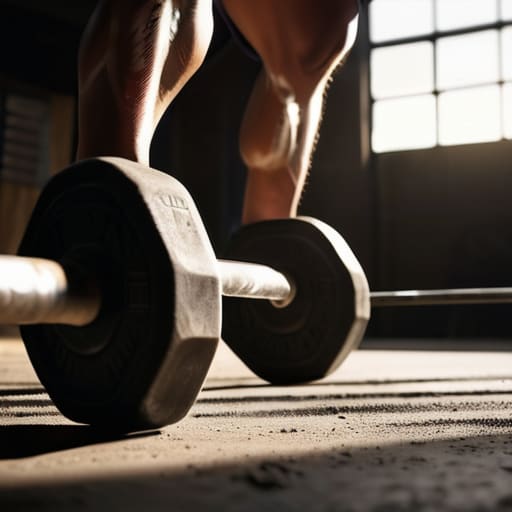
We need to stop treating the weight room like a photoshoot studio. If you’re walking into the gym just to chase a certain look, you’re wasting your time and your energy. For us, every rep has to serve a purpose on the mat. Real strength training for grapplers isn’t about how much your quads pop in a mirror; it’s about whether those muscles can actually drive through a double leg or hold a heavy opponent in a sprawl. We aren’t training for aesthetics; we are training for functional capability.
This means shifting your focus toward movements that translate directly to the grind. You need to prioritize explosive lower body movements that mimic the sudden, violent shifts in leverage you face during a match. When you’re working on your power cleans or weighted jumps, don’t just go through the motions. Think about how that force translates to improving shot speed and staying heavy on your feet. If the movement doesn’t help you control a person or defend a takedown, it’s just noise. Focus on building a body that is as resilient as it is powerful.
Stop Training for the Mirror: 5 Ways to Build Mat-Ready Leg Strength
- Prioritize unilateral movements like Bulgarian split squats. Wrestling is rarely a symmetrical sport; you’re constantly driving off one leg or stabilizing yourself on an uneven surface. If you can’t balance your strength on one side, a good shot will take you down every single time.
- Don’t neglect your isometric strength. Being able to move a heavy weight from point A to point B is great, but you also need the ability to hold a position under tension. Incorporate heavy wall sits or paused goblet squats to train your muscles to fight through that static grind.
- Build explosive power, not just slow strength. Strength is the foundation, but you need the ability to convert that force into a sudden burst for a double leg. Incorporate trap bar jumps or kettlebell swings to make sure your strength actually translates to the speed required on the mat.
- Treat your recovery like it’s part of your training program. You can’t build strength if your central nervous system is fried and your muscles are constantly inflamed. Use restorative yoga to keep your hip mobility high—tight hips are the enemy of a powerful sprawl.
- Fuel the work with consistent protein and carbs. I see too many athletes trying to build leg strength while staying in a massive caloric deficit. If you aren’t eating enough to support the heavy lifting, you’re just breaking your body down without giving it the tools to rebuild stronger.
The Bottom Line for the Mat
Stop chasing “toning” and start chasing load; your leg strength needs to be built through heavy, compound movements that translate directly to driving through a double-leg takedown.
Prioritize your posterior chain over everything else, because if your glutes and hamstrings aren’t firing, you’re going to get snapped down every single time you engage.
Consistency is your only real shortcut; you don’t build the kind of functional stability required for wrestling with random workouts, but with a structured, science-based lifting plan.
## The Mat Doesn't Care About Your Aesthetic
“In wrestling, your legs aren’t just for walking; they are your primary tools for leverage, defense, and driving through an opponent. If you aren’t training your lower body to handle heavy, functional loads, you aren’t just missing out on strength—you’re leaving yourself wide open on the mat.”
Tamsin Broadhurst
Putting the Work into Practice

At the end of the day, building wrestling leg strength isn’t about following a fancy, complicated program you saw on social media. It’s about mastering the basics: hitting those heavy deadlifts to prime your posterior chain, prioritizing functional movements over vanity exercises, and ensuring your nutrition is actually fueling your recovery. If you focus on developing a foundation of true, usable power rather than just chasing a pump in the gym, you’ll notice the difference the moment you step onto the mat. Stop guessing and start training with a purpose that translates to the grind.
Remember, the strength you build in the weight room is a tool, but your consistency is what sharpens it. There will be days when the heavy sets feel impossible and the mats feel even heavier, but that is exactly where the skill is forged. Don’t train just to look a certain way; train so that when you’re deep in a scramble in the third period, your legs don’t give out on you. Build your capability one rep at a time, stay disciplined with your fuel, and trust the process. You aren’t just lifting weights; you’re building the person you need to be when the whistle blows.
Frequently Asked Questions
How do I balance heavy leg days with the high-intensity cardio required for wrestling practice without burning out?
You can’t treat your training like two separate worlds; they have to talk to each other. If you’re redlining on the mat every night, you can’t hit a maximal heavy squat session the next morning and expect to recover. I recommend scheduling your heaviest lifts on your lighter practice days or even your off-days. Prioritize sleep and keep your electrolytes topped off. If you feel your movement quality slipping, back off the volume. Consistency beats intensity every time.
Should I focus more on explosive movements like cleans or steady, heavy compound lifts like squats to improve my takedown power?
Don’t make it an either/or situation. If you want a takedown that actually finishes, you need both. Think of heavy squats as your foundation—they build the raw, structural force required to drive through an opponent. But cleans are what teach you to apply that force instantly. You need the heavy compounds to build the engine, and the explosive movements to turn that engine into a weapon. Train both to be truly dangerous on the mat.
What are the best ways to train leg stability and unilateral strength to prevent injury during awkward scrambles on the mat?
When you’re caught in a scramble, you aren’t moving in a straight line; you’re reacting to chaos. To stop your knees from buckling, you need to move away from the squat rack for a minute and focus on unilateral work. I swear by Bulgarian split squats and single-leg RDLs. They force your stabilizers to fire and build that “anti-collapse” strength. If you can’t balance on one leg in the gym, you won’t find it on the mat.
