
I remember sitting in a humid high school wrestling room, staring at a lukewarm, greasy slice of pizza and wondering if that was actually supposed to be my “performance fuel.” There’s this toxic misconception in the combat sports world that you have to survive on nothing but plain chicken breasts and unseasoned rice to make weight or stay sharp. Honestly, that’s a fast track to burnout and a metabolic mess. If you’re searching for wrestling meal ideas that involve expensive, niche superfoods or complicated macro-counting spreadsheets just to get through a practice, you’re wasting your time. You don’t need a laboratory diet; you need sustained energy that actually tastes like real food.
I’m not here to sell you a fad or a complicated meal plan that falls apart the second you hit a heavy training week. My goal is to give you straightforward, science-backed wrestling meal ideas that prioritize functional fuel over aesthetic perfection. We’re going to focus on high-density nutrition that supports your recovery and keeps your head in the game, whether you’re drilling on the mats or hitting a heavy lifting session. Let’s stop overthinking the plate and start fueling the work.
Table of Contents
High Protein Athlete Meals to Build Consistent Strength
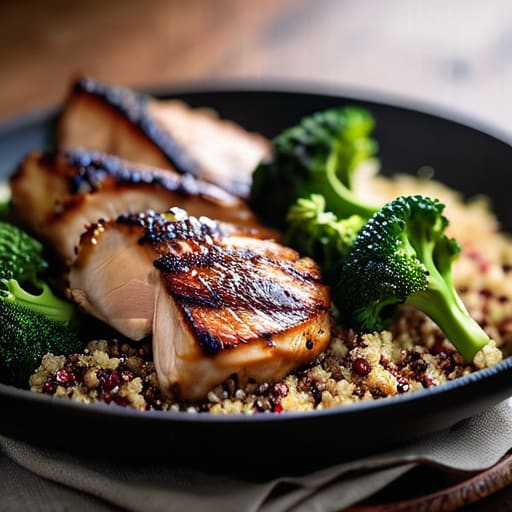
If you’re serious about building strength, you need to stop treating protein like an afterthought. I see too many athletes hitting the mats on empty tanks or trying to recover with nothing but a protein shake and a prayer. To actually see progress, you need high protein athlete meals that anchor your day. I’m talking about lean beef stir-fry with plenty of broccoli or grilled chicken thighs paired with quinoa. These aren’t just “diet foods”; they are the building blocks that repair the muscle tissue you’re tearing down during heavy lifting sessions and live wrestling drills.
The real magic, though, happens when you master your nutrient timing for athletes. You shouldn’t be eating a massive, heavy meal right before a session, but you definitely shouldn’t be starving either. Focus on pairing your protein with complex carbohydrates for endurance, like sweet potatoes or oats. This ensures your glycogen stores are topped off so you don’t hit that dreaded wall halfway through a practice. When you nail this balance, you aren’t just eating to survive the grind—you’re eating to dominate it.
Complex Carbohydrates for Endurance and Match Day Power
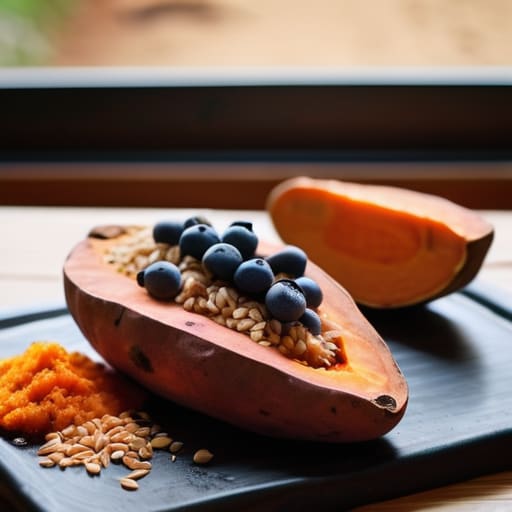
If you’re relying on simple sugars to get you through a heavy drilling session, you’re going to crash before the third period even starts. To stay sharp on the mats, you need to prioritize complex carbohydrates for endurance. I’m talking about slow-burning fuel like sweet potatoes, oats, or brown rice. These aren’t just “filler” foods; they provide the steady glucose stream your brain and muscles need to maintain technical precision when fatigue starts to set in.
When it comes to nutrient timing for athletes, the window around your training is everything. On heavy mat days, I want to see those slow-release carbs well before you step into the room to ensure your glycogen stores are topped off. However, don’t ignore the aftermath. Pairing a complex carb with protein in your post-training recovery meals is the fastest way to kickstart muscle repair and replenish what you burned. Stop treating carbs like the enemy; treat them like the high-octane fuel they actually are.
Stop Guessing, Start Fueling: 5 Rules for Your Wrestling Plate
- Prioritize protein density; if you aren’t hitting your targets, you aren’t recovering, and if you aren’t recovering, you aren’t improving.
- Timing is everything—eat your largest carb-heavy meals a few hours before training so you have the glycogen to push through those heavy rounds without hitting a wall.
- Don’t fear the salt; when you’re sweating through wrestling practice, you need electrolytes to keep your muscles firing and prevent cramping.
- Keep your pre-match snacks simple and easily digestible; avoid anything heavy or overly fibrous that’s going to sit like a brick in your stomach when the whistle blows.
- Ditch the “diet” mindset and focus on food quality; we eat to perform and build capability, not to restrict ourselves into exhaustion.
The Bottom Line: Fueling for Performance
Stop treating nutrition like a math problem and start seeing it as fuel; if you don’t eat to support your training load, you’re leaving strength on the table.
Prioritize protein and complex carbs to ensure your muscles recover and your energy levels don’t crater halfway through a practice session.
Consistency beats perfection every single time—focus on hitting your nutritional targets most days so you can show up to the mats ready to work.
Fueling the Fight
Stop treating your meals like a math problem you’re trying to solve and start treating them like the fuel they are; if you aren’t eating to support your training, you’re leaving your performance on the mats.
Tamsin Broadhurst
Fueling the Long Game
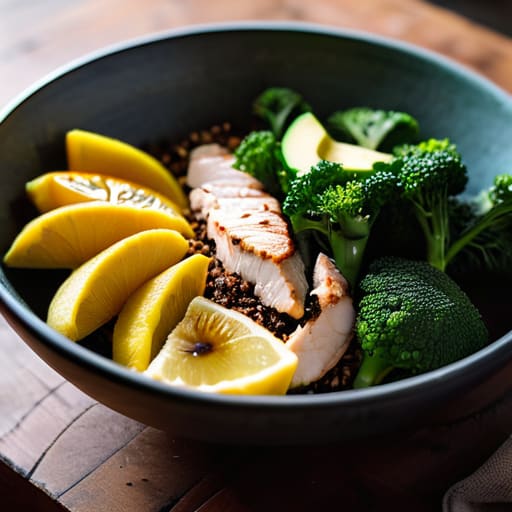
At the end of the day, managing your nutrition for wrestling isn’t about following a rigid, soul-crushing diet; it’s about understanding the mechanics of your own body. We’ve talked about why hitting those high protein targets is non-negotiable for muscle repair and why complex carbs are your best friend when you’re staring down a grueling third period. When you stop viewing food as an enemy to be managed and start seeing it as the essential fuel required to execute your technique, everything changes. Focus on the staples we discussed—real, whole foods that support your recovery and keep your energy levels from cratering mid-practice.
Remember, the work you do in the kitchen is just as vital as the work you do on the mats. You can have the best technical game in the room, but if you aren’t feeding the machine, you’re leaving performance on the table. Strength is a skill, and consistency is your greatest tool, and that includes being consistent with your nourishment. Don’t aim for perfection; aim for capability. Eat to move, eat to recover, and eat to win. Now, grab your shaker bottle, get your meals prepped, and go show up to your next session ready to work.
Frequently Asked Questions
How do I manage my meal timing when I have a heavy training session followed immediately by a match?
This is where most people trip up. If you’re hitting a heavy session right before a match, you can’t afford a blood sugar crash. Treat your training meal as your foundation—complex carbs and steady protein about two hours prior. Immediately after that training session, don’t wait for a full meal; grab something quick and high in simple carbs and electrolytes. You need to replenish glycogen fast so you aren’t entering that match running on empty.
What are some realistic ways to hit my protein goals without feeling bloated or sluggish on the mats?
Stop trying to slam massive, heavy meals right before training; that’s a one-way ticket to feeling sluggish. Instead, lean on lean, easily digestible sources like Greek yogurt, white fish, or a clean whey isolate. If you’re struggling with bloating, watch your fiber intake during heavy training windows and focus on smaller, frequent hits of protein throughout the day. Keep it simple: graze on high-quality fuel so you stay light on your feet and ready to grind.
How much should I actually be adjusting my carb intake during a weight cut versus my off-season training?
Listen, don’t go nuking your carbs just because you’re chasing a specific number on the scale. During your off-season, carbs are your best friend—they fuel the heavy lifting and high-intensity sessions that build your foundation. When you transition to a weight cut, you can taper them down, but keep enough in the tank so you aren’t hitting the mats feeling like a ghost. Aim for a strategic reduction, not a total blackout.
