
I still remember the smell of stale sweat and industrial floor cleaner in my old training room, sitting on a bruised bench while staring at a “diet plan” that consisted of nothing but plain chicken and sadness. I was trying to cut weight for a tournament, thinking that starving myself was the only way to stay competitive, but all I did was lose my power and my focus. People love to sell you these expensive, overcomplicated supplements and “secret” protocols, but most of that is just noise designed to empty your wallet. The truth about wrestling nutrition isn’t found in a flashy neon bottle; it’s found in the consistency of your fuel and how that fuel actually holds up when you’re deep in the third period.
I’m not here to give you a math problem or a list of forbidden foods that make you miserable. My goal is to strip away the nonsense and give you a practical, science-based framework that treats food as the tool it’s meant to be. We are going to focus on building a foundation of functional capability so you can walk onto that mat feeling strong, not depleted. No hype, no gimmicks—just the straight talk you need to fuel your movement and win.
Table of Contents
Pre Workout Meals for Combat Athletes Fueling Your Capability
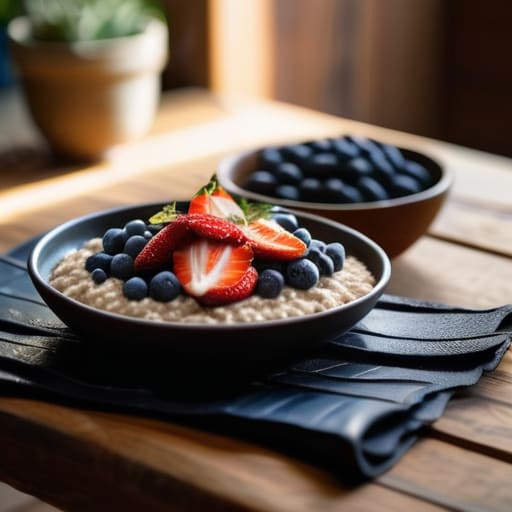
If you’re showing up to the mat on an empty tank, you’ve already lost the mental battle. I’ve seen too many athletes crash halfway through a live drilling session because they treated their pre-workout meals for combat athletes as an afterthought. You need a combination of complex carbohydrates for sustained energy and a moderate amount of protein to protect your lean mass. Think of it as priming the engine; you want something that digests easily so you aren’t sitting there feeling heavy or nauseous when the whistle blows. A bowl of oatmeal with fruit or a turkey sandwich on sourdough are my go-to’s because they provide steady fuel without the bloat.
Timing is just as vital as the food itself. You shouldn’t be inhaling a massive meal ten minutes before you step on the mats. Aim to eat your main pre-training fuel about two to three hours before your session to ensure your energy levels during wrestling matches don’t plummet. If you’re in that tight window right before training, stick to something small and simple, like a banana. Don’t overcomplicate the science; just focus on getting the right fuel in your system so you can actually perform the work you’ve trained for.
Mastering Energy Levels During Wrestling Matches

There is nothing worse than feeling your gas tank hit empty halfway through a second period. You’ve done the drilling, you’ve done the strength work, but suddenly your limbs feel like lead and your brain can’t keep up with the pace. Maintaining consistent energy levels during wrestling matches isn’t about a sudden burst of adrenaline; it’s about managing your glycogen stores so you don’t crash when the intensity spikes. If you’re riding the roller coaster of blood sugar spikes and drops, you’re leaving matches on the mat.
To avoid that mid-tournament slump, you need to look at your fueling window as a continuous cycle rather than a single event. This means prioritizing steady carbohydrate intake and smart hydration strategies for wrestling that go beyond just chugging water when you’re thirsty. I see too many athletes focus solely on the scale, but if you’re neglecting your fuel to chase a number, you’re sacrificing the very power you need to compete. Aim for stability, not just survival.
Stop Guessing, Start Fueling: 5 Non-Negotiables for the Mat
- Prioritize protein, but don’t obsess over the timing. Whether you’re hitting a heavy lifting session or a grueling wrestling practice, your muscles need amino acids to repair. Aim for a steady stream of high-quality protein throughout the day rather than trying to cram it all into one massive post-training meal.
- Treat electrolytes like your best friend. If you’re just drinking plain water during a high-intensity scramble, you’re missing the mark. You need sodium, potassium, and magnesium to keep your muscles firing and prevent that mid-match cramping that ruins a good performance. Keep that shaker bottle handy.
- Ditch the “diet” mindset. In this sport, we don’t eat to shrink; we eat to perform. If you’re cutting calories too aggressively to make weight, you’re sacrificing the explosive power you need for a double-leg takedown. Focus on nutrient density so you’re fueled, not just full.
- Master your carbohydrate timing. Carbs are your primary fuel source for high-intensity bursts. Instead of fearing them, time your complex carbs—like oats or sweet potatoes—a few hours before training, and keep simple, fast-acting carbs available if you need a quick energy spike between rounds.
- Listen to your body, not just the scale. There’s a massive difference between feeling “light” and feeling “weak.” If your strength is plummeting and your focus is slipping on the mats, your nutrition is likely the culprit. Use your performance as the ultimate metric for whether your fueling strategy is actually working.
The Bottom Line: Fueling for the Grind
Stop overcomplicating your plate; prioritize consistent, nutrient-dense fuel that supports the specific intensity of your training sessions.
Treat your nutrition as a tool for capability, not a way to shrink yourself, ensuring you have the energy to hold a position or finish a takedown.
Consistency beats perfection every single time—build your strength through steady, reliable fueling habits rather than chasing temporary fixes.
Fuel Over Aesthetics
Stop treating your meals like a math problem or a way to shrink your body; treat them like the high-grade fuel required to survive a third period on the mat.
Tamsin Broadhurst
Fueling the Grind
At the end of the day, wrestling nutrition isn’t about following a restrictive diet or obsessing over every single calorie on a label. It’s about understanding the mechanics of how you move. We’ve talked about why your pre-workout meal needs to be more than just a quick sugar fix, and how managing your energy levels during a match can be the difference between a dominant takedown and getting stuck in a defensive shell. If you focus on consistent, nutrient-dense fueling rather than sporadic snacking, you stop fighting your own body and start working with it. Stop treating your meals like a math problem; treat them as the essential foundation for everything you do on the mat.
I know how easy it is to get caught up in the grind and forget that your body is the very tool you use to compete. But remember, strength is a skill, and that includes the skill of nourishing yourself. You don’t need a perfect plan to start seeing results; you just need to be intentional about giving your body the fuel it deserves to handle the intensity of combat sports. Train hard, lift heavy, and eat with purpose. When you prioritize capability over aesthetics, you aren’t just building a better athlete—you are building a more resilient version of yourself. Now, grab your shaker bottle and let’s get to work.
Frequently Asked Questions
How much protein do I actually need to recover if I'm hitting heavy lifting sessions and wrestling practice on the same day?
Look, when you’re doubling up on heavy lifting and wrestling, your body is essentially in a constant state of repair. You can’t afford to under-fuel. Aim for roughly 0.8 to 1 gram of protein per pound of body weight. If you’re a 140-pound athlete, that’s 112–140 grams daily. Don’t try to cram it all into one massive steak, either. Spread it out across your meals to keep your muscle protein synthesis humming all day.
I struggle with feeling heavy or sluggish during matches; should I be cutting carbs or just changing when I eat them?
Cut the carbs? Absolutely not. If you’re cutting carbs, you’re cutting your gas tank. That sluggishness isn’t from “too much” fuel; it’s from poor timing. You’re likely hitting a wall because your glycogen stores are empty or you’re digesting a heavy meal right as the whistle blows. Stop trying to starve the weight off and start timing your intake. Focus on easily digestible carbs a few hours before you step on the mat.
Is it worth using supplements like creatine or BCAAs, or should I just focus on getting my whole foods right first?
Look, I’ll give it to you straight: Get your whole foods dialed in first. If your baseline nutrition is a mess, a scoop of powder isn’t going to save your performance. Supplements are meant to bridge small gaps, not fix a broken foundation. Once you’re hitting your protein and calorie targets consistently, then we can talk about creatine to help with power output. Don’t waste your money on BCAAs if you aren’t eating enough protein.
