
I still remember the smell of stale sweat and rubber mats in that cramped basement gym where I spent my early twenties, gasping for air after a grueling session. Back then, I saw so many athletes wasting their time on endless sets of bicep curls and machine presses, thinking they were “training,” when they were really just chasing a pump. It’s a massive mistake to think that isolation exercises will save you when someone is trying to snap your posture or drive through your hips. If you want to actually be hard to move, you need to stop playing around with vanity movements and start mastering compound lifts for wrestlers that translate directly to the mat.
I’m not here to sell you a complicated, overpriced program or a magic supplement that promises overnight strength. My goal is to cut through the noise and give you a blueprint built on science and mat experience. We are going to focus on the heavy, functional movements that build real-world capability, ensuring every ounce of effort you put into the weight room makes you a more dangerous competitor. Let’s get to work.
Table of Contents
- Building Functional Strength for Combat Sports
- Prioritizing Posterior Chain Development for Mat Control
- Stop Training for Aesthetics, Start Training for the Grind
- The Bottom Line for Mat Readiness
- ## Stop Training for the Mirror
- Stop Training for Aesthetics, Start Training for the Mat
- Frequently Asked Questions
Building Functional Strength for Combat Sports
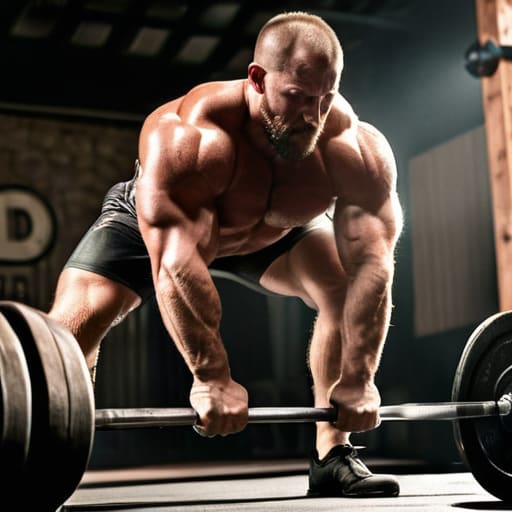
When we talk about training for the mat, we have to move past the idea of just “getting big.” If you’re spending all your energy on isolation machines, you’re wasting precious time that could be spent building real-world utility. To be effective, your training needs to prioritize functional strength for combat sports, meaning your muscles have to work in sync, just like they do when you’re fighting for a single leg or defending a takedown. It’s not about how much your biceps can curl; it’s about how much force you can transfer through your entire body when someone is trying to drive you into the mat.
This is where we focus heavily on posterior chain development. Your glutes, hamstrings, and lower back are the engine room for every explosive shot and sprawl you execute. If that engine is weak, you’re going to struggle to maintain posture under pressure, and more importantly, you’re leaving yourself wide open to injury. We aren’t just lifting to hit a PR in the gym; we are training to ensure that when the match gets intense, your body has the structural integrity to hold its ground.
Prioritizing Posterior Chain Development for Mat Control
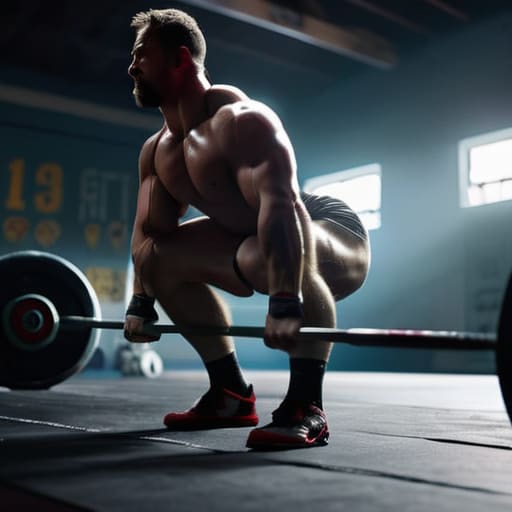
If you want to control an opponent, you have to stop relying on your arms and start using your back and glutes. In wrestling, your ability to drive through a shot or hold a heavy sprawl comes directly from your posterior chain. I’ve seen too many athletes focus on bench pressing when they should be obsessing over their deadlift or Romanian deadlift. If your posterior chain is weak, you’re going to get folded the moment someone gets under your center of gravity.
Focusing on posterior chain development isn’t just about raw strength; it’s about creating a foundation that resists being manipulated. When you prioritize movements like kettlebell swings or heavy hip thrusts, you’re building the kind of explosive power for wrestling that allows you to snap an opponent down or finish a high-crotch with authority. We aren’t training for a bodybuilding stage here. We are training so that when you’re deep in the third period and your lungs are burning, your hips still have the stability to keep you in the fight.
Stop Training for Aesthetics, Start Training for the Grind
- Prioritize multi-joint movements over isolation work. If you’re spending twenty minutes doing bicep curls, you’re wasting time that could be spent on deadlifts or cleans—lifts that actually translate to pulling an opponent off you.
- Focus on explosive intent. It’s not enough to just move the weight from point A to point B; you need to move it with enough violence to mimic a shot or a sprawl. If the bar isn’t moving with purpose, you aren’t building mat speed.
- Don’t ignore your core stability during heavy lifts. A heavy squat isn’t just a leg movement; it’s a lesson in maintaining a rigid spine while under pressure. That’s the same stability you need when you’re fighting for a single leg.
- Use your lifting sessions to master your center of gravity. Compound lifts teach you how to stay heavy and unmovable. If you can’t stabilize a barbell, you have no chance of stabilizing a resisting human being.
- Treat your recovery as part of the training. You can’t build capability if you’re constantly redlining. Use your nutrition to fuel these heavy sessions, and don’t be afraid to scale the intensity if your central nervous system is fried from a hard practice.
The Bottom Line for Mat Readiness
Stop training for aesthetics; if a lift doesn’t translate to better sprawl mechanics or more explosive takedowns, it’s just wasted energy.
Focus on heavy, multi-joint movements that force your body to work as a single unit, because wrestling is never about isolated muscles.
Consistency beats intensity every single time—build your strength through steady, programmed progression rather than trying to crush yourself in one session.
## Stop Training for the Mirror
If your lifting program doesn’t make you harder to sweep, harder to break, and more explosive when you hit the shot, you’re just wasting time in the weight room. Stop chasing a pump and start building the kind of raw, compound strength that actually translates to dominance on the mat.
Tamsin Broadhurst
Stop Training for Aesthetics, Start Training for the Mat
At the end of the day, your lifting program shouldn’t look like a bodybuilding split. We’ve talked about why you need to move away from isolation machines and toward heavy compound movements that demand total body integration. Whether you are focusing on explosive pulls to secure a takedown or reinforcing your posterior chain to stay heavy in the top position, every rep needs a purpose. Stop chasing the pump and start prioritizing movements that translate directly to the grind of a match. If a lift doesn’t make you harder to move or more capable of controlling an opponent, it’s just noise in your training cycle.
Remember, strength isn’t something that happens to you by accident; it is a skill you earn through every heavy set and every grueling practice session. There will be days when the weight feels impossible and your energy is low, but that is exactly where the real progress is made. Don’t train just to look a certain way in the mirror—train so that when you step onto that mat, you are the most formidable version of yourself. Stay consistent, fuel your body like the athlete it is, and trust the process. Now, get to work.
Frequently Asked Questions
How do I balance heavy compound lifting with a high-intensity wrestling practice schedule without burning out?
Listen, you can’t redline every single day. If you’re hitting heavy triples in the gym and then grinding through two-a-days on the mat, you’re asking for an injury. Treat your lifting like a tool, not a punishment. On heavy wrestling days, dial the lifting back to maintenance—don’t chase PRs when your CNS is already fried. Focus on quality, eat enough to fuel the recovery, and learn to listen to your body before the burnout hits you.
Should I be focusing more on explosive power movements or absolute strength if my goal is better mat control?
If you want better mat control, you need both, but you can’t build a house without a foundation. Absolute strength is your baseline—it’s what makes you heavy and hard to move when someone’s trying to snap your head down. Once you have that strength, you layer on explosive power to actually finish those takedowns. Don’t chase speed if you’re easily bullied; build the strength first, then teach your muscles to move it fast.
Are there specific compound lifts I should avoid if I'm already dealing with common wrestling injuries like neck or shoulder issues?
Listen, I’ve been there—wrestling takes a toll on your joints. If your shoulders are flared up, I’d pull back on heavy barbell overhead presses; they can be brutal on an unstable joint. Instead, try landmine presses to reduce that impingement. For neck issues, skip the heavy shrugs that might aggravate your traps and focus on isometric holds. We train to be capable, not to push through bad pain. Listen to your body, adjust the movement, and keep lifting smart.
