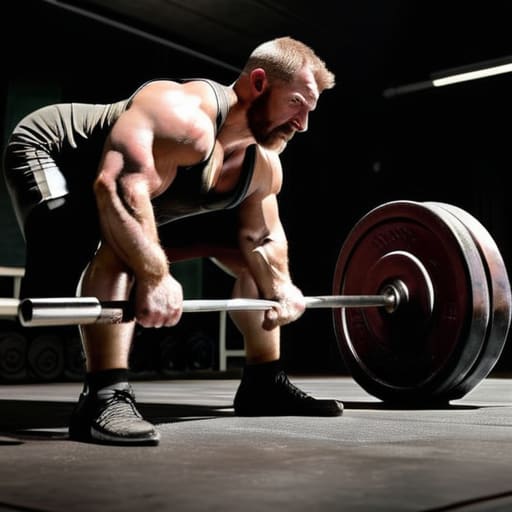
I still remember the smell of stale sweat and industrial floor cleaner in the basement gym where I spent my early twenties, gasping for air after a grueling session. I was grinding through endless sets of generic bodybuilding movements, thinking that if I just looked the part, I’d finally be able to hold my own on the mat. I was wrong. Most people will tell you that you need a complex, expensive, or hyper-specific program, but they’re missing the point of what actual strength training for wrestlers requires. You don’t need a flashy supplement stack or a complicated spreadsheet; you need the ability to exert force when your lungs are burning and your opponent is trying to break your posture.
I’m not here to sell you on a “secret” method or a way to get shredded for a photoshoot. My goal is to give you the raw, science-based tools you need to build a body that is actually functional for combat. We are going to focus on movements that translate directly to the mat—building the kind of stability and explosive power that makes you a nightmare to move. This isn’t about chasing aesthetics; it’s about training for capability so you can walk into every match knowing you have the physical foundation to win.
Table of Contents
- Functional Strength for Grappling Building Capability Through Consistency
- Wrestling Explosive Power Development Training for Impact Not Luck
- Five Non-Negotiables for the Mat and the Weight Room
- The Bottom Line: Training for the Mat
- The Mindset of a Grappler
- The Work Doesn't End on the Mat
- Frequently Asked Questions
Functional Strength for Grappling Building Capability Through Consistency

When you’re deep in a scramble, you don’t need “gym strength”; you need the ability to transfer force through your entire body instantly. This is where functional strength for grappling separates the athletes from the lifters. It’s not about how much you can bench press in a controlled environment, but how much tension you can maintain while someone is actively trying to unbalance you. I always tell my clients to focus on movements that mimic the chaos of the mat—think heavy carries, rotational lunges, and explosive pulls. We aren’t training for the mirror; we are training so that when you hit that double leg, your hips follow through with purpose.
Consistency is the only way to bridge the gap between raw power and mat readiness. You can’t cram athleticism into a single week of heavy lifting. Instead, you have to respect the grind of periodization for wrestling season, shifting your focus from building a foundation to fine-tuning your reactivity as competition nears. If you skip the boring stuff—the steady, incremental progress—you’ll find yourself lacking when the match hits the third period. Build the skill, stay disciplined, and the capability will follow.
Wrestling Explosive Power Development Training for Impact Not Luck

If you’re just moving weight from point A to point B, you’re missing the point. In a match, strength is useless if it’s slow. True wrestling explosive power development comes from teaching your nervous system to recruit muscle fibers instantly. I’m talking about the difference between a slow grind and that sudden, violent burst needed to finish a double leg or explode out of a bottom position. You need to incorporate plyometrics and Olympic lifting variations—think cleans or kettlebell swings—that prioritize rate of force development over just moving heavy iron.
However, don’t mistake pure explosiveness for total control. You can have all the power in the world, but if your foundation is shaky, you’re going to get countered. This is where we prioritize neck and core stability for wrestlers to ensure that power is actually transferable and safe. We aren’t just training for the highlight reel; we are training to ensure that when you hit that shot, your body moves as one cohesive, unstoppable unit. It’s about being functionally violent on the mat while maintaining the structural integrity to keep going through the third period.
Five Non-Negotiables for the Mat and the Weight Room
- Prioritize compound movements over isolation exercises. If you’re spending your session doing nothing but bicep curls, you’re wasting time. Focus on deadlifts, squats, and presses—moves that force your entire body to work as a single, cohesive unit, just like it has to when you’re fighting for a takedown.
- Train for grip strength without making it a gimmick. You don’t need fancy hanging devices; use heavy carries or even just hold your plates longer at the end of a set. If your hands give out halfway through a match, it doesn’t matter how strong your legs are.
- Don’t neglect your posterior chain. Wrestling is a game of pulling and resisting, which means your hamstrings, glutes, and lower back are your engine room. If that area is weak, you’ll get snapped down every single time.
- Incorporate unilateral work to fix imbalances. We often move unevenly in a scramble, so your training should reflect that. Single-leg lunges and unilateral rows ensure that one side of your body isn’t carrying the weight for the other when the pressure is on.
- Treat recovery as a discipline, not an afterthought. You don’t build muscle while you’re lifting; you build it while you’re sleeping and fueling. If you aren’t hitting your protein targets and prioritizing rest, you’re just digging a hole of fatigue that will eventually tank your performance on the mat.
The Bottom Line: Training for the Mat
Stop chasing aesthetics and start chasing utility; every lift in your program should translate to better control, more drive, and more stability when you’re deep in a scramble.
Consistency is your greatest tool for building skill, so focus on sustainable, science-based progressions rather than looking for quick fixes or “magic” exercises.
Treat your nutrition as fuel for your movement, ensuring you’re eating enough to recover from high-intensity sessions so you can show up to practice ready to work.
The Mindset of a Grappler
Stop chasing a number on a scale and start chasing the ability to control your own body—and your opponent’s—when the lungs are burning and the match is on the line.
Tamsin Broadhurst
The Work Doesn't End on the Mat
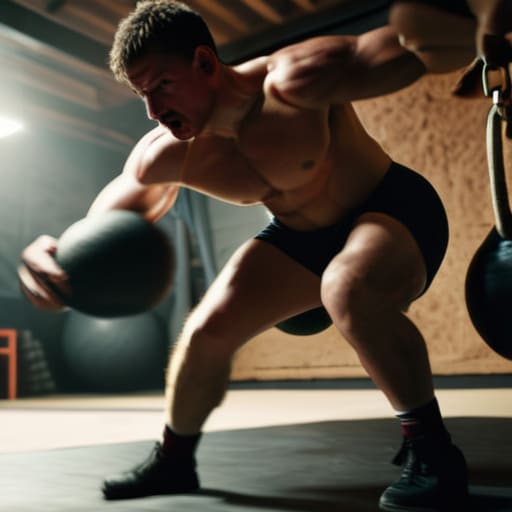
At the end of the day, your performance is the direct result of the choices you make when no one is watching. We’ve covered how to move away from mindless lifting and toward functional capability, how to harness explosive power for those split-second shots, and why consistency is your only real shortcut to success. Remember, your strength program isn’t a separate entity from your wrestling; it is the foundation that allows you to execute your technique when the third period hits and your lungs are burning. Stop treating your gym sessions like an afterthought and start treating them as essential technical preparation for the grind ahead.
I know how exhausting it is to balance heavy lifting with intense mat time, but that is exactly where the growth happens. Don’t get discouraged by a plateau or a bad session; strength is a skill, and like any skill, it requires patience and a refusal to quit. You aren’t training to win a trophy or to look a certain way in a mirror; you are training to be unshakeable when you’re locked in a scramble. Get your fuel in, respect your recovery, and show up with purpose. Now, go out there and build the kind of strength that makes you impossible to move.
Frequently Asked Questions
How do I balance heavy lifting sessions with my mat time so I don't burn out or show up to practice feeling sluggish?
The biggest mistake I see is treating lifting and wrestling as two separate battles. If you’re crushing heavy triples in the gym and then hitting high-intensity drilling two hours later, you’re asking for burnout. Period. You have to periodize. On heavy lifting days, keep your mat time technical and low-impact. On lighter lifting days, push the intensity on the mats. Most importantly, fuel the work. If you aren’t eating enough to support both, you’ll crash.
What should my protein intake look like on heavy lifting days versus days when I'm just focusing on technical drilling?
Look, your body needs fuel, but don’t overcomplicate it. On heavy lifting days, prioritize your protein to repair that muscle tissue you’re breaking down—aim for the higher end of your daily target to support recovery. On technical drilling days, you can scale back slightly, but don’t drop it too low. You still need those amino acids to maintain the strength we’re building. Consistency in your intake is what keeps you capable on the mat.
Are there specific accessory movements I should prioritize to help prevent the common neck and shoulder injuries that come with grappling?
Look, if you’re constantly fighting for head position or defending takedowns, your neck and shoulders are going to take a beating. Don’t wait for a tweak to start addressing this. Prioritize isometric neck holds and face pulls to build that structural integrity. I also swear by kettlebell halos and farmer’s carries; they build the stability you need to keep your posture from collapsing under pressure. Train these like your career depends on it—because it does.
