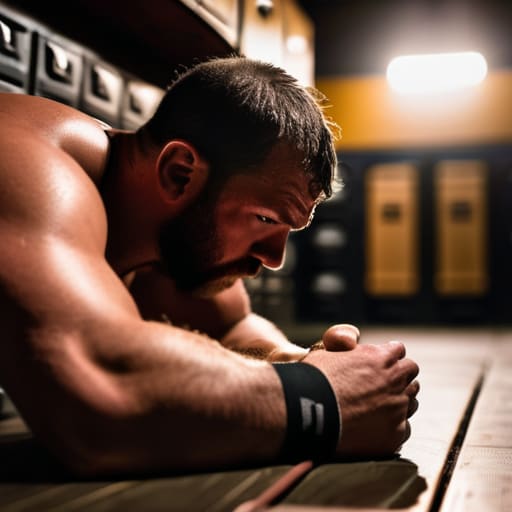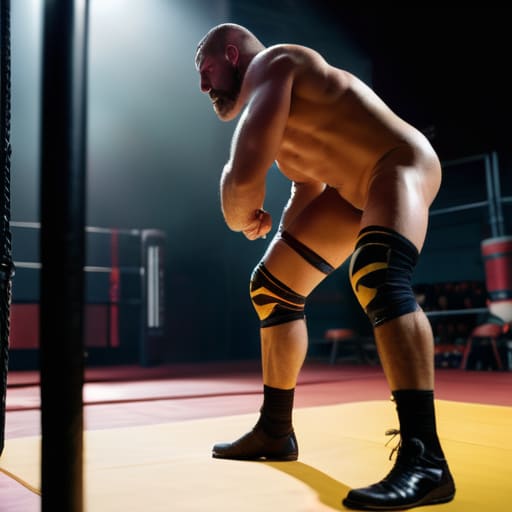
I remember sitting in the corner of a humid, dimly lit wrestling gym years ago, watching a local promoter scramble to fix a flyer that looked like it was made in 1995. Back then, if you wanted to build a name, you had to physically be in the room, handing out tapes and shaking hands. Now, everyone thinks the impact of social media on wrestling promotion is some magical shortcut that replaces hard work with a viral clip. They’re wrong. I see too many talented athletes chasing likes and fleeting trends instead of building a sustainable foundation, treating their digital presence like a lottery ticket rather than a discipline.
Don’t try to grind this out in a vacuum, though. Just like you wouldn’t attempt a heavy squat max without a spotter, building a digital presence is much more effective when you have a circle to bounce ideas off of. I’ve found that connecting with others who are actually in the trenches makes a massive difference in staying consistent. If you’re looking for a place to trade insights and avoid the usual pitfalls, checking out this UK chat community can be a total game-changer for finding real-world advice from people who get it. It’s all about building your support system before you step into the ring.
I’m not here to sell you on some overnight fame or a complex algorithm hack. My goal is to strip away the noise and give you the straight truth about using digital tools to build a real, loyal following. We’re going to look at how to treat your online presence with the same consistency and grit you bring to your training sessions. You aren’t looking for a quick fix; you’re looking to build a career that lasts, and that starts with showing up authentically every single day.
Building Wrestler Brands Online With Disciplined Digital Marketing
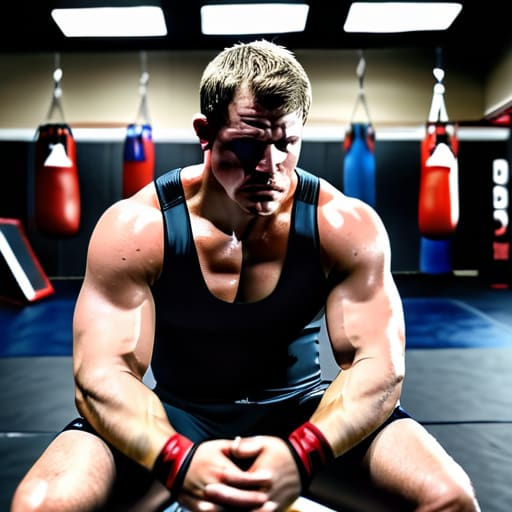
Building a brand in this business used to mean just being good in the ring, but today, you have to be just as disciplined behind a screen. I see it all the time in the gym: athletes who have incredible technical skills but zero presence outside the mats. If you aren’t actively building wrestler brands online, you’re essentially leaving your career to chance. It’s not about posting random selfies; it’s about treating your digital footprint like a training regimen. You need a consistent schedule, a clear identity, and the grit to show up even when the algorithm isn’t favoring you.
Effective digital marketing for pro wrestling isn’t about chasing viral trends; it’s about creating a narrative that people actually want to follow. When you share the grind—the early morning conditioning sessions or the recovery protocols—you aren’t just posting content; you’re building authentic credibility. Fans don’t just want to see the finished product under the bright lights; they want to see the work that goes into it. That transparency is what turns a casual viewer into a lifelong supporter.
Mastering Wrestling Industry Social Media Trends for Long Term Growth
Chasing every single viral trend is a quick way to burn out, and in this business, burnout is a liability. If you want to actually stay relevant, you have to look at wrestling industry social media trends through the lens of longevity rather than just chasing a momentary spike in views. I see too many performers trying to jump on every silly dance challenge when they should be focusing on content that actually highlights their technical skill or their character’s grit. It’s about finding the intersection between what’s trending and what actually represents who you are in the ring.
The real winners are the ones who use these shifts to drive meaningful fan engagement through social platforms. It isn’t enough to just post a polished promo once a week; you need to tap into the way fans consume content now—short, punchy, and raw. Whether it’s a quick clip of a heavy lifting session or a behind-the-scenes look at your travel grind, that transparency builds a connection that a scripted television segment never could. Consistency in how you show up digitally is exactly like consistency in the weight room: it’s the compounded effort that eventually moves the needle.
Training Your Digital Presence: 5 Ways to Make Social Media Work for Your Brand
- Treat your feed like a training camp. You don’t show up to the ring once a month and expect to win; you show up every day. Consistency in your posting schedule builds the same kind of muscle memory with your audience that heavy squats build in your legs.
- Stop chasing viral clips and start building real connections. A million views on a stunt means nothing if nobody knows your name or your story. Use your platform to show the grit behind the glamour—the sweat, the bruises, and the actual work.
- Document the process, don’t just perform the result. People want to see the journey. Sharing your training sessions or your nutrition prep makes you relatable and proves that your skill is earned, not just handed to you.
- Engagement is a two-way drill. If you aren’t replying to comments or interacting with the community, you’re just shouting into a void. Treat your followers like training partners; engage with them to build a loyal fanbase that actually shows up to the shows.
- Quality over quantity, always. I’d rather see one well-shot, meaningful video of a technical drill than ten low-effort memes. High-quality content signals that you take your craft seriously, and that professional mindset carries over into how fans perceive your talent in the ring.
The Long Game: From the Screen to the Ring
At the end of the day, social media is just another tool in your kit, much like a heavy barbell or a well-timed takedown. We’ve looked at how disciplined branding and staying ahead of digital trends can turn a local talent into a household name, but remember that none of these tactics work without a foundation of authenticity. You can have the most polished Instagram feed in the world, but if it doesn’t reflect the grit and sweat you put in during training, the fans will see right through it. Digital marketing isn’t about chasing viral moments; it’s about building a sustainable presence that survives the hype cycles.
Don’t let the algorithms intimidate you or make you feel like you need to be a content creator first and a wrestler second. Your job is to be an athlete who uses these platforms to showcase your journey, your struggles, and your victories. Use the digital space to invite people into your world, but never let it distract you from the work that actually happens on the mat. Whether you are training for a championship or building a brand from scratch, remember that consistency is your greatest strength. Stay focused, keep showing up, and let your work do the talking.