
I remember sitting on the edge of a sweat-soaked mat in a dimly lit high school gym, my joints screaming and my lungs feeling like they’d been scraped with sandpaper. I was convinced that if I just bought that $200 massage gun or tried some expensive, neon-colored supplement, the crushing fatigue would finally lift. But looking back at those years in the amateur wrestling circuit, I realize most of the “magic” solutions being sold to us are just noise. We don’t need more gadgets; we need to understand that real wrestling recovery techniques are about managing the physiological load we put on our bodies, not just chasing the latest wellness trend.
I’m not here to sell you a lifestyle or a complicated ritual that takes an hour you don’t have. My goal is to strip away the fluff and give you the science-backed basics that actually work when you’re staring down a heavy training block. We are going to focus on the pillars of movement, nutrition, and sleep—the stuff that turns recovery from a guessing game into a reliable skill. Let’s get to work on making your body as resilient as your mindset.
Table of Contents
Fueling the Machine Protein Intake for Muscle Synthesis

If you’re treating your body like a high-performance engine but fueling it like a junker, you’re leaving gains on the mat. After a grueling session of drilling or live wrestling, your muscle fibers are essentially riddled with micro-tears. This is where protein intake for muscle synthesis becomes non-negotiable. I see too many athletes skip the post-training meal because they’re “too tired” or trying to make weight, but that’s a fast track to burnout and injury. You need those amino acids to actually repair the damage and build back stronger.
Don’t just aim for a random snack; aim for quality and timing. I recommend hitting a solid dose of complete protein within an hour or two of finishing your session. Whether it’s a chicken breast, Greek yogurt, or a quick shake, that steady stream of nutrients is what turns recovery from a passive state into an active process. Think of it this way: you aren’t just eating to satisfy hunger; you are providing the raw materials necessary to ensure you can step back onto the mats tomorrow without feeling like you’re made of glass.
Hydration Strategies for Athletes Who Demand More
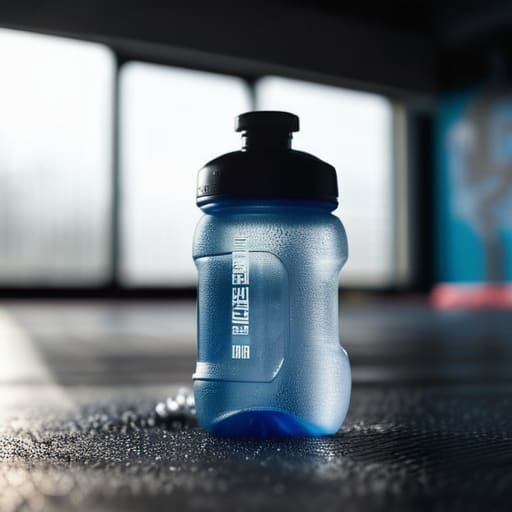
If you’re waiting until you feel thirsty to reach for your water bottle, you’ve already lost the battle. In wrestling, your sweat rate can skyrocket during a heavy drilling session, and even a tiny percentage of dehydration can tank your reaction time and cognitive focus. I see it all the time in the gym: athletes hitting a wall mid-practice not because they lack grit, but because their cells are parched. Implementing proactive hydration strategies for athletes isn’t just about quenching thirst; it’s about maintaining the fluid balance necessary for joint lubrication and temperature regulation.
Don’t just settle for plain water if you’re pushing through high-intensity bouts. You need to replace the sodium, potassium, and magnesium you’re dumping onto the mats. I never leave my house without my shaker bottle—it’s loaded with electrolytes to ensure my recovery starts the second I stop moving. Think of it as a preventative measure for combat sports injury prevention; a hydrated muscle is a resilient muscle, whereas a dehydrated one is brittle and prone to cramping. Treat your fluid intake with the same discipline you apply to your technique.
Beyond the Mat: 5 Non-Negotiables for Real Recovery
- Prioritize sleep like it’s your most important training session. You can nail your macros and hit your lifting numbers, but if you aren’t getting seven to nine hours of quality shut-eye, your nervous system isn’t recovering, and your performance will tank.
- Don’t sleep on active recovery. On your off days, don’t just rot on the couch; go for a light walk or hit a restorative yoga flow. Keeping the blood moving helps flush out metabolic waste without adding more systemic stress to your body.
- Master the art of soft tissue work. Whether it’s a foam roller, a lacrosse ball, or a professional massage, you need to address those tight spots in your hips and lats. If you ignore the knots now, they’ll turn into injuries that keep you off the mat later.
- Use temperature therapy with intention. I’m a huge fan of contrast therapy—alternating between heat and cold. It’s not just about the “buzz” you feel; it’s about using that thermal stress to stimulate blood flow and calm down your sympathetic nervous system.
- Listen to your body’s biofeedback. If your resting heart rate is spiked or your grip strength feels weak during your warm-up, you’re likely under-recovered. Don’t try to “tough it out” through a bad recovery cycle; adjust your intensity so you can stay consistent in the long run.
The Bottom Line: Making Recovery Non-Negotiable
Stop treating rest as a luxury; if you aren’t prioritizing sleep and active recovery, you’re essentially sabotaging the hard work you put in on the mats.
Nutrition isn’t just about hitting macros; it’s about providing your body with the specific building blocks it needs to repair tissue and keep you moving through heavy sessions.
Consistency beats intensity every single time—building a resilient, capable body requires a disciplined approach to both your training and your downtime.
Recovery is a Skill, Not a Break
Stop treating your rest days like a lapse in discipline; if you aren’t prioritizing recovery with the same intensity you bring to the mat, you aren’t training—you’re just breaking yourself down.
Tamsin Broadhurst
The Work Doesn't End on the Mat

At the end of the day, effective recovery isn’t about finding some magic supplement or a high-tech gadget; it’s about the fundamentals. We’ve talked about hitting your protein targets to repair the damage from those heavy lifting sessions and the non-negotiable importance of staying hydrated to keep your brain and muscles firing. Whether you are implementing active recovery like my favorite restorative yoga flows or just making sure you aren’t skimping on sleep, these habits are what bridge the gap between burning out and actually progressing. If you ignore the physiological needs of your body, you aren’t being “tough”—you’re just being inefficient.
Remember, the hours you spend recovering are just as vital as the minutes you spend drilling takedowns or grinding through a squat set. Strength is a skill, and like any skill, it requires the right environment to grow. Don’t view rest as a sign of weakness or a lapse in discipline; view it as the essential foundation of your performance. You train to be capable, to be resilient, and to show up ready to compete. Treat your recovery with the same intensity you bring to the mat, and your body will reward you with the longevity you need to keep winning.
Frequently Asked Questions
How much sleep do I actually need to see a difference in my recovery between heavy wrestling sessions?
Look, if you’re grinding through heavy wrestling sessions, seven hours isn’t your target—it’s your bare minimum. To actually see a shift in how you recover and how much power you bring to the mat, aim for 8 to 9 hours. This is when your body does the heavy lifting of repairing tissue and regulating hormones. Treat your sleep like a scheduled training session; if you skip it, you’re leaving gains on the table.
Should I be using foam rolling and mobility work every single day, or is that overkill?
It’s not overkill, but you have to be smart about it. If you’re treating foam rolling like a punishment, you’re doing it wrong. I use mobility work daily because it keeps my joints from feeling like rusted hinges after a heavy lifting session or a hard mat day. However, don’t mistake “feeling it” for “fixing it.” Use light, restorative movement on rest days and save the intense tissue work for when you actually need to flush out the tension.
Is there a way to manage muscle soreness without relying on anti-inflammatories that might mess with my training adaptations?
Look, I get it. You want to feel better, but you don’t want to blunt the very signals that tell your muscles to grow. If you’re constantly popping NSAIDs, you’re essentially muting your body’s ability to adapt to the stress of training. Instead, lean into active recovery. Keep the blood moving with light mobility work or a restorative yoga flow. It’s about increasing circulation to flush out waste without shutting down the inflammatory process we actually need for progress.
