
I still remember the smell of stale sweat and industrial floor cleaner in that old wrestling room, sitting on the mat with my legs feeling like lead weights. I used to think that if I just pushed through the soreness and ignored the fatigue, I was somehow “tougher” than the next person. I was wrong. I spent years treating post practice recovery like a luxury I couldn’t afford, only to realize I was actually just sabotaging my own progress. You don’t get stronger by breaking yourself down and leaving the pieces on the floor; you get stronger when you actually give your body the tools to rebuild.
I’m not here to sell you a $100 supplement or a complicated ritual involving expensive gadgets that do nothing but drain your bank account. Instead, I’m going to give you the straight truth about what actually works based on science and years of being in the trenches. We’re going to focus on functional recovery—the kind that uses real food, smart movement, and consistent habits to ensure you show up tomorrow ready to work, not just ready to limp through it.
Table of Contents
- Mastering Post Workout Nutrition Timing for Consistent Fuel
- Hydration Strategies for Athletes Who Demand More
- The Recovery Blueprint: 5 Ways to Reclaim Your Strength
- The Bottom Line: Building Your Recovery Foundation
- ## Recovery is Where the Work Actually Happens
- Building the Foundation for Tomorrow
- Frequently Asked Questions
Mastering Post Workout Nutrition Timing for Consistent Fuel
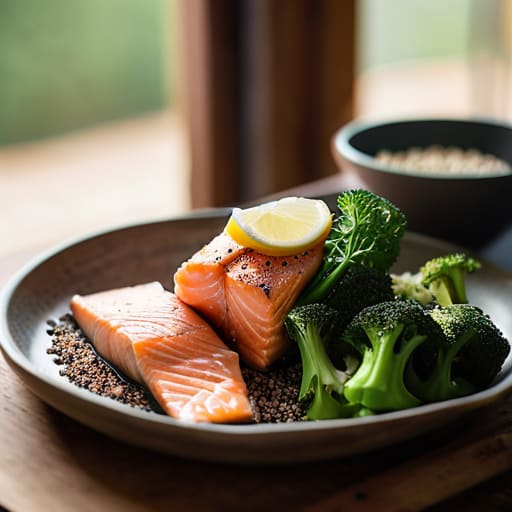
Stop treating your meals like an afterthought or something you’ll “get to eventually.” If you want to see real progress, you need to understand that post-workout nutrition timing is just as vital as the work you put in on the mats or under the barbell. Your body is essentially a sponge immediately following a grueling session; it’s looking for the building blocks to repair the micro-tears you just created. I’m not talking about some magic window that slams shut in thirty minutes, but I am saying that getting quality macronutrients in within an hour or two is non-negotiable for maximizing protein synthesis after training.
Think of your food as the literal fuel for your next session. If you skip the protein and complex carbs after a heavy lifting day or a hard wrestling practice, you aren’t just “resting”—you’re actively stalling your own momentum. I always tell my athletes that if you don’t provide the raw materials, your body can’t rebuild the strength you’re working so hard to earn. Focus on a balance of fast-acting protein and a solid carbohydrate source to refill those glycogen stores and set yourself up for success tomorrow.
Hydration Strategies for Athletes Who Demand More

If you’re coming off a heavy wrestling session or a high-volume lifting block, water alone isn’t going to cut it. When you’re sweating through your gear for an hour straight, you aren’t just losing fluid; you’re dumping electrolytes that are critical for muscle function. I’ve learned the hard way that if I don’t replenish my sodium and magnesium immediately, my performance the next day takes a massive hit. Developing solid hydration strategies for athletes means moving beyond the “sip when you’re thirsty” mentality. You need a proactive plan to replace what you lost so you can stay sharp during your next technical drill.
Think of hydration as a foundational pillar of your recovery, right alongside your protein intake. If you’re chronically dehydrated, you’re essentially sabotaging your body’s ability to repair tissue. Proper fluid balance is a key component of delayed onset muscle soreness prevention, as it helps maintain blood volume and keeps nutrients moving to your recovering muscles. Don’t just chug a liter of plain water and call it a day; aim for a balanced electrolyte solution to ensure your cells actually absorb the hydration they need to keep you moving.
The Recovery Blueprint: 5 Ways to Reclaim Your Strength
- Prioritize protein and complex carbs immediately. Don’t wait three hours to eat; your muscles need the building blocks to repair the damage from a heavy session or a grueling wrestling practice as soon as possible.
- Incorporate active recovery days. On your off days, don’t just sit on the couch. A light walk or one of my favorite restorative yoga flows keeps the blood moving and helps flush out metabolic waste without taxing your CNS.
- Don’t neglect sleep hygiene. You don’t build muscle in the gym; you build it while you sleep. Aim for consistent, high-quality rest so your body can actually execute the repairs you’ve signaled for during training.
- Use mobility work to prevent stiffness. I see too many athletes ignore their range of motion until they’re injured. Spend ten minutes on a foam roller or doing dynamic stretching to ensure your joints stay as functional as your muscles.
- Listen to your central nervous system. There is a massive difference between “good sore” and “systemic fatigue.” If your grip strength is down or you’re feeling mentally drained, back off and let your body catch up.
The Bottom Line: Building Your Recovery Foundation
Stop viewing recovery as “time off” and start seeing it as an active part of your training; you don’t get stronger during the lift, you get stronger while you’re recovering from it.
Prioritize nutrient density and consistent hydration over complex supplements—if you aren’t fueling your body with real food and electrolytes, you’re just leaving performance on the table.
Listen to your body’s signals without making excuses; consistency in your recovery habits is what separates those who plateau from those who actually build lasting, functional strength.
## Recovery is Where the Work Actually Happens
“Stop treating your recovery like a luxury or an afterthought. If you aren’t intentional about how you refuel and rest after a session, you aren’t just wasting your training time—you’re actively sabotaging the strength you’re trying to build.”
Tamsin Broadhurst
Building the Foundation for Tomorrow

At the end of the day, post-practice recovery isn’t some luxury or a way to pamper yourself; it is a fundamental part of the training process itself. We’ve talked about why timing your nutrients matters, how to stay ahead of dehydration, and why you can’t afford to treat your body like an afterthought once you step off the mat or out of the weight room. If you skip these steps, you aren’t just being “tough”—you are actively sabotaging your ability to build meaningful strength. Consistency in the gym only works if you are just as disciplined about the rest and refueling that happens once the session is over.
I want you to remember that every meal, every sip of electrolytes, and every hour of quality sleep is a deliberate investment in the athlete you are becoming. We don’t train just to exhaust ourselves; we train to become capable, resilient versions of ourselves that can handle whatever life—or a heavy sparring session—throws our way. Don’t look for shortcuts or wait for a burst of motivation to start taking care of your recovery. Treat your body with the respect it deserves, and I promise you, the results will follow. Keep showing up, keep fueling, and stay grounded in the process.
Frequently Asked Questions
How long after a heavy wrestling session do I actually need to eat to see a difference in my recovery?
Look, I get the urge to wait until you’re back home to eat, but if you’ve just spent an hour grinding on the mats, your body is screaming for fuel. Aim to get some protein and carbs in within 45 to 60 minutes. You don’t need to obsess over the exact second, but don’t let that window slam shut. Treat that post-wrestling meal like another part of your training session.
If I'm feeling too exhausted or nauseous to eat right after practice, what are my best options for getting fuel in?
Look, I’ve been there. After a heavy wrestling session or a brutal conditioning circuit, your stomach can feel like it’s doing flips. If solid food feels impossible, stop forcing the steak and rice. Switch to liquids. A high-quality protein shake or even some chocolate milk works wonders because it’s easier on the gut. Focus on getting those simple carbs and amino acids in via a smoothie; just get the fuel in so you can recover.
Is it worth using expensive supplements, or can I get everything I need from regular whole foods?
Look, I’ve seen enough marketing hype to know that a flashy tub of powder won’t fix a bad diet. For 95% of what you need, whole foods are king. Chicken, eggs, oats, and greens provide the complex nutrients and micronutrients that supplements just can’t replicate. Use supplements as a tool for convenience—like a quick protein shake when you’re rushing between training and work—but don’t let them replace real fuel. Build your foundation on real food first.
