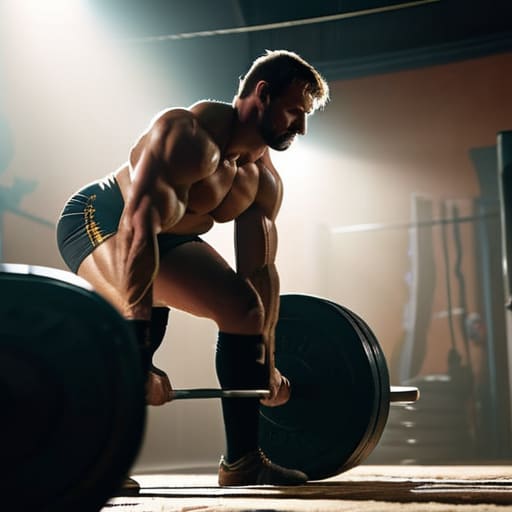
I still remember the smell of stale sweat and old mats in that basement gym where I spent my early twenties, gasping for air after a grueling scramble. I was working hard, sure, but I was fighting an uphill battle because I was focused on the wrong things. I thought more cardio would save me, but the truth was I was getting bullied on the mat because my wrestling posterior chain was nonexistent. I had the lungs of a marathon runner but the explosive power of a wet noodle, and no amount of endless burpees was going to fix that fundamental lack of functional leverage.
I’m not here to sell you on some overpriced, complicated supplement stack or a “secret” training program that promises magic results overnight. What I am going to give you is the raw, science-backed reality of how to build a back and posterior chain that actually moves weight and dominates opponents. We are going to focus on the specific, heavy movements that turn your body into a powerhouse, ensuring your strength is a skill you can rely on when the match gets heavy.
Table of Contents
Mastering Hip Hinge Mechanics for Combat Sports
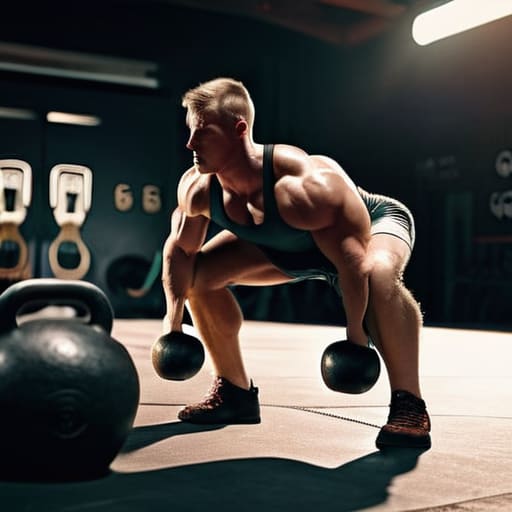
If you’ve ever felt that nagging pull in your lower back after a heavy session of shots or sprawling, your hinge is likely broken. Mastering hip hinge mechanics for combat sports isn’t about looking pretty in the mirror; it’s about teaching your glutes and hamstrings to take the load so your spine doesn’t have to. I see so many athletes try to lift with a rounded back because they lack the hip mobility to drive through the movement. When you nail the hinge, you aren’t just moving weight—you’re learning how to stabilize your core under tension, which is non-negotiable when someone is trying to snap you down.
Once you stop compensating with your lumbar spine, you unlock a level of explosive power for wrestlers that you simply can’t get from squats alone. Think about the drive required to finish a double leg or the snap needed to control an opponent’s posture. That all starts in the hips. By focusing on clean, intentional hinging patterns, you’re building the kind of functional mat strength that translates directly to the singlet, making you much harder to move and significantly more dangerous in the clinch.
Posterior Chain Exercises for Grappling Success
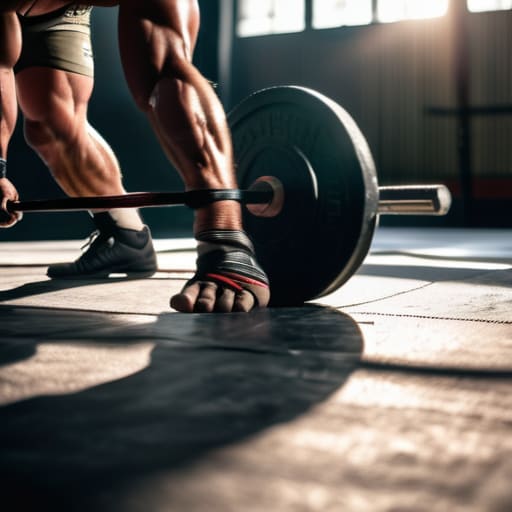
If you’re looking to actually move people on the mat, you need to move beyond basic machines and focus on heavy, compound movements. I always tell my athletes that Romanian Deadlifts are non-negotiable. They aren’t just about building muscle; they are essential for developing the stability required to resist a heavy snap-down or a forceful shot. When you master the tension in your hamstrings and glutes, you aren’t just lifting weight—you’re building the structural integrity needed for high-level grappling.
For those seeking true explosive power for wrestlers, I swear by kettlebell swings and heavy barbell cleans. These movements teach your body to transfer force from the floor, through your hips, and into your opponent. This isn’t just about vanity; it’s about mat strength development that translates to a more violent sprawl and a more dominant finish. If you want to stop getting pushed around and start dictating the pace of the match, these are the movements that will make it happen.
Stop Training for Show and Start Training for Control
- Prioritize heavy, compound hinges over isolation movements. If you’re spending your entire session doing light kettlebell swings, you aren’t building the raw, explosive power needed to snap an opponent down or finish a high-amplitude takedown.
- Master the eccentric phase of your lifts. In wrestling, you aren’t just moving weight up; you’re fighting to stay stable while someone is actively trying to pull you out of position. Controlled descents build the structural integrity that keeps your hips from buckling under pressure.
- Integrate unilateral work to fix your imbalances. No one fights on two perfectly symmetrical legs. Incorporating single-leg deadlifts or Romanian deadlifts ensures that when you’re stuck in a scramble, one weak side won’t be the reason you end up on your back.
- Train your posterior chain to be reactive, not just strong. Strength is useless if it’s slow. Mix in explosive movements like power cleans or heavy medicine ball slams to bridge the gap between “gym strength” and the lightning-fast hip extension required on the mat.
- Don’t neglect your grip during posterior chain work. I always tell my athletes to stop using straps for everything. Holding onto heavy dumbbells or even a thick bar during your hinge movements builds that functional hand strength that translates directly to controlling a wrist or a collar tie.
The Bottom Line for Your Training
Stop training for mirrors and start training for leverage; a strong posterior chain is what allows you to control your opponent and drive through a takedown.
Prioritize movement quality over the weight on the bar, because a busted hip hinge will stall your progress faster than any heavy set ever could.
Treat your recovery and nutrition as part of your strength training, because you can’t build a powerhouse engine if you aren’t fueling the machine.
## The Engine of the Mat
“If you’re relying solely on your arms to snap heads or finish takedowns, you’ve already lost the battle. Real power in wrestling comes from the ground up; your posterior chain is the engine that drives every shot, every sprawl, and every heavy grind on the mat.”
Tamsin Broadhurst
Building a Body That Won't Quit
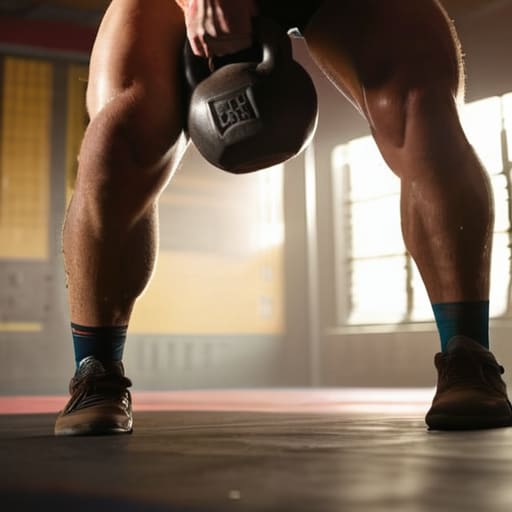
At the end of the day, wrestling isn’t won by the person who looks the best in the gym; it’s won by the person who can maintain explosive power when their lungs are burning and their opponent is trying to grind them into the mat. We’ve talked about why mastering your hip hinge is non-negotiable and how specific posterior chain movements turn your body into a functional machine. If you take nothing else from this, remember that consistency beats intensity every single time. Don’t just go through the motions of a deadlift or a kettlebell swing; focus on the mechanics and ensure you are building a foundation that actually drives your movement rather than just adding weight to a bar.
I know it’s tempting to chase the quick fix or the flashy highlight reel, but real strength is a slow, deliberate build. It’s about showing up on the days you don’t feel like it and trusting the science behind your training. Whether you are stepping onto the mat for your first match or you’re a seasoned veteran looking to stay competitive, treat your posterior chain like the engine it is. Stop training for aesthetics and start training to be capable. You have the tools, you have the blueprint, now go out there and build the strength you deserve.
Frequently Asked Questions
How do I know if my posterior chain is actually fatigued versus just having general muscle soreness from a hard practice?
Here’s how I tell the difference: DOMS (that general soreness) usually hits 24-48 hours later and feels like a dull ache when you move. Real posterior chain fatigue is different. It feels like a loss of “snap.” If your hips feel heavy, your hinge mechanics are breaking down during warm-ups, or you can’t maintain that explosive drive in your shots, your CNS and posterior chain are cooked. Listen to that—don’t push through it.
Should I be prioritizing heavy low-rep lifts or higher-volume accessory work to see the best results on the mat?
If you want to actually move people on the mat, you need both, but they serve different masters. Heavy, low-rep lifts—think deadlifts and cleans—are your foundation; they build the raw, explosive power required to snap someone down or finish a takedown. But don’t neglect the volume. High-rep accessory work builds the muscular endurance you’ll need when you’re stuck in a grind in the third period. Build the strength first, then refine it with volume.
Are there specific ways to integrate these strength movements into a wrestling season without burning out before my next tournament?
Listen, you can’t redline your central nervous system all year. If you’re grinding heavy deadlifts during a peak competition week, you’re asking for a burnout or an injury. During the season, switch to a maintenance phase. Focus on high-quality, low-volume movements—think heavy triples rather than grinding sets of ten. Keep the intensity high to hold onto that strength, but slash the total volume so you actually have gas in the tank for the mat.
