
I still remember the smell of stale sweat and old mats in the wrestling room where I first learned that ego is a dangerous thing. I was nineteen, trying to impress some guys by cranking out heavy deadlifts, completely ignoring the fact that my spine was rounding like a frightened cat. I thought I was building power, but I was actually just practicing common mistakes in weight lifting form that would have sidelined me for months if I hadn’t caught it early. I wasn’t training to be capable; I was training to look like I knew what I was doing, and that’s a distinction that gets people injured every single day.
I’m not here to sell you a complicated twelve-step system or a flashy new gadget to “fix” your movement. Instead, I’m giving you the straight truth based on years of coaching and actual combat sports experience. We are going to strip away the fluff and focus on the technical flaws that actually matter. My promise to you is simple: we will identify these errors so you can stop chasing vanity and start building real, functional strength that actually serves you in the real world.
The High Cost of Lifting With Ego vs Form

We’ve all been there: you’re staring at a plate, feeling that surge of adrenaline, and suddenly the number on the bar matters more than the movement itself. But here’s the reality of lifting with ego vs form—the weight doesn’t care about your pride, and neither does your connective tissue. When you prioritize the ego hit over technical precision, you aren’t actually getting stronger; you’re just teaching your body how to compensate. I’ve seen too many athletes trade long-term progress for a single, shaky rep, only to end up sidelined for months.
The physical toll is real. Whether it’s a breakdown in deadlift spinal alignment or a collapsing chest during a heavy set, these technical failures are the fastest way to turn a training session into a medical appointment. We aren’t just moving iron to look good in a mirror; we are building a body that can handle the rigors of combat and daily life. If you can’t control the weight through the full range of motion, you aren’t training—you’re just gambling with your joints. Stop chasing the heavy numbers and start mastering the mechanics.
Mastering Muscle Engagement During Lifts for True Strength
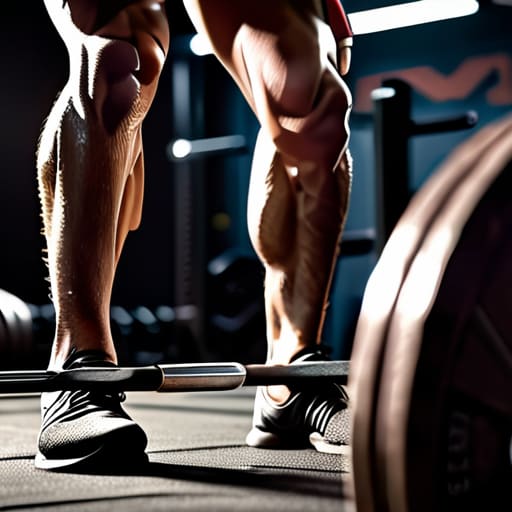
If you aren’t feeling the target muscle working, you’re essentially just moving weight from point A to point B without actually building anything. I see this constantly in the gym: someone grinding out a heavy rep, but their lower back is doing all the heavy lifting while their glutes stay completely dormant. This is where muscle engagement during lifts becomes the difference between progress and a plateau. You have to develop that mind-muscle connection; it’s a skill, just like a sprawl or a takedown. If you can’t feel your lats engaging during a pull or your core bracing during a press, you aren’t training—you’re just performing a repetitive motion that’s begging for an injury.
Take the deadlift, for example. It’s not just about pulling the bar off the floor; it’s about maintaining strict deadlift spinal alignment from the very first inch of movement. If your hips shoot up too fast and your spine rounds, you’ve lost the engagement and transferred the load to your lumbar spine. That’s a one-way ticket to physical therapy. Stop worrying about how much is on the bar and start focusing on how that weight is being distributed through your posterior chain.
Stop Guessing and Start Executing: 5 Form Fixes to Save Your Progress
- Stop rounding your spine on deadlifts; if your back looks like a fishing rod, the weight is too heavy. Keep that spine neutral and drive through your hips, or you’re just begging for a disc issue.
- Quit the “ego-repping” on squats by cutting your depth short. Half-reps might make your ego feel good, but they don’t build the functional strength we actually need when life—or a wrestling match—gets heavy.
- Watch your knee cave during lunges and squats. If your knees are tracking inward, you’re wasting stability and risking your ACL; keep them driven outward to stay powerful and stable.
- Stop using momentum to swing weights up during curls or rows. If you have to rock your entire body to move a dumbbell, you aren’t training your muscles—you’re just practicing bad habits.
- Fix your bracing before you even touch the bar. If you aren’t creating intra-abdominal pressure by breathing into your core, you’re leaving your spine unprotected and your lift unstable.
Stop Chasing Numbers and Start Building Capability

Look, we’ve covered a lot of ground here. If you take nothing else away from this, remember that ego lifting is a fast track to a physical therapy appointment, and muscle engagement is what actually separates a “workout” from real, functional strength training. Stop treating your lifts like a way to impress the person on the next machine and start treating them like a skill that requires precision and intent. Whether you’re grinding through a heavy squat set or working on your technical stability, the goal is to move with purpose. When you prioritize form over the number on the plates, you aren’t just avoiding injury; you are ensuring that every single rep is actually building the foundation you need for long-term capability.
At the end of the day, strength isn’t something that just happens to you—it’s something you earn through the boring, repetitive, and disciplined work of doing things the right way. Don’t get discouraged if you have to strip weight off the bar to get your mechanics right; that’s not a setback, it’s a strategic investment in your future self. We aren’t training to fit a certain aesthetic or to win a popularity contest in the gym. We train to be capable, to be resilient, and to move through the world without limits. Now, grab your electrolytes, check your ego at the door, and get back to work.
If you’re still struggling to feel that connection between your brain and your muscles during a heavy set, don’t just keep grinding through the reps blindly. I’ve learned that sometimes you need to step back and look at the mechanical nuances that are holding you back from real progress. If you want to dive deeper into how specific movements impact your body, checking out resources like sexadvertenties.nl can provide some extra perspective on how different physical stressors play out. At the end of the day, precision beats power every single time when you’re trying to build a body that actually performs.
