I still remember being nineteen, sitting on a sweat-soaked mat in a cramped wrestling room, feeling my stomach do somersaults because I’d spent too much time obsessing over “optimal” macros. I had read every fitness blog out there, convinced that if my pre workout meals weren’t timed to the exact minute or comprised of specific, expensive supplements, I was somehow failing the session. It was exhausting, and frankly, it was counterproductive. You don’t need a laboratory-grade formula or a bank account full of supplement money to perform; you just need to stop treating your digestion like a high-stakes math equation and start treating it like the fuel it actually is.
I’m not here to sell you on some magic powder or a complicated fasting protocol that leaves you feeling lightheaded during your heavy sets. My goal is to strip away the noise and give you the straight truth about what actually works for sustained, intentional movement. I’m going to share the practical, science-backed fueling strategies I use with my own athletes to ensure they show up to the gym ready to work, not just ready to digest. We are going to focus on consistency over complexity so you can spend less time worrying about your plate and more time building your strength.
Table of Contents
- Leveraging Complex Carbohydrates for Exercise and Sustained Power
- Finding Optimal Macronutrient Ratios for Intentional Movement
- Stop Guessing and Start Fueling: My Top 5 Pre-Workout Rules
- The Bottom Line: Fueling for Capability
- Fuel Over Aesthetics
- Fueling Your Next Session
- Frequently Asked Questions
Leveraging Complex Carbohydrates for Exercise and Sustained Power
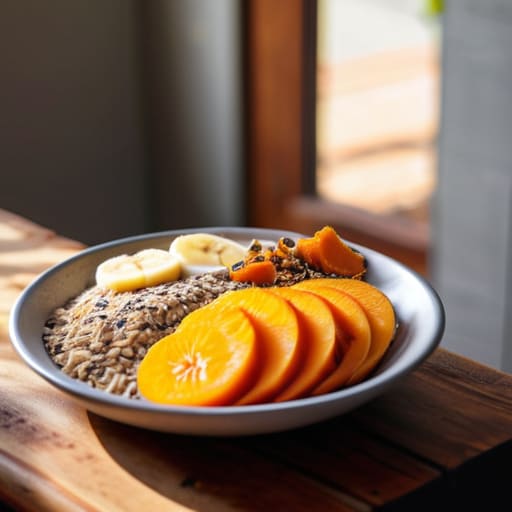
If you’re relying on a quick hit of sugar right before you hit the mats or the squat rack, you’re setting yourself up for a crash. I’ve seen too many athletes spike their energy only to hit a wall twenty minutes into a heavy session. Instead, you need to focus on complex carbohydrates for exercise to ensure your energy levels actually hold steady. Think of things like oats, sweet potatoes, or brown rice; these provide a slow, steady drip of glucose into your bloodstream rather than a sudden surge and subsequent drop.
Understanding the glycemic index for athletes is a game-changer for how you structure your fuel. By choosing low-glycemic options, you’re essentially preventing mid-workout fatigue before it even has a chance to start. It’s about building a foundation of energy that lasts through your final set or that last grueling round of drilling. When your fuel is stable, your focus stays sharp, and your body can actually perform the movements you’ve worked so hard to master.
Finding Optimal Macronutrient Ratios for Intentional Movement

Once you’ve nailed your carb intake, you need to talk about the balance. There is no magic number that works for every single person, but finding your optimal macronutrient ratios is about listening to how your body actually performs under load. If you’re heading into a heavy lifting session or a grueling wrestling practice, you can’t just rely on sugar. You need a foundation of protein and fats that won’t leave you feeling heavy or sluggish.
I see too many athletes making the mistake of eating a massive, greasy meal right before they hit the mats, only to realize they’ve sacrificed their digestive comfort before training. If your blood is busy trying to digest a heavy steak, it isn’t in your muscles where it needs to be. I generally recommend a higher ratio of carbohydrates to protein in the window immediately preceding movement, while saving the heavier fats for later in the day. The goal is to find that sweet spot where you feel satiated and stable, rather than bloated or empty.
Stop Guessing and Start Fueling: My Top 5 Pre-Workout Rules
- Timing is everything. I don’t care how “clean” your meal is; if you eat a massive bowl of oatmeal ten minutes before hitting the mats, you’re going to feel like garbage. Give yourself a window—aim for a substantial meal 2-3 hours out, or a light snack about 30-60 minutes before you start moving.
- Prioritize easy-to-digest carbs. When you’re about to lift heavy or drill wrestling shots, your body needs glucose, not a complex puzzle. Think fruit, rice cakes, or a bit of honey. Save the heavy fiber and massive amounts of fat for your post-workout recovery when your digestion isn’t under stress.
- Don’t fear the protein, but keep it moderate. A little bit of protein helps keep your amino acid levels steady, but don’t go overboard right before a session. You want your blood flow directed toward your working muscles, not stuck in your gut trying to break down a steak.
- Hydration isn’t just about water. If you’re training hard, you need electrolytes to actually facilitate that hydration. I never step into the gym without my shaker bottle ready. If you’re starting a session already dehydrated, no amount of pre-workout magic is going to save your performance.
- Use the “test and adjust” method. There is no universal “perfect” meal because everyone’s biology is different. Treat your nutrition like a training cycle: try something, track how you feel during the actual work, and if it makes you sluggish or nauseous, scrap it and try something else. Consistency comes from knowing what works for your body.
The Bottom Line: Fueling for Capability
Stop treating your pre-workout meal like a guessing game; focus on consistent, complex carbs and the right protein-to-carb ratio to ensure you actually have the gas in the tank for your session.
Listen to your body’s specific demands—a heavy lifting day or a high-intensity wrestling drill requires more intentional fueling than a restorative yoga flow.
Remember that nutrition is a tool for performance, not a punishment; eat to build the strength and capability you need to do the work you love.
Fuel Over Aesthetics
Stop treating your pre-workout meal like a math problem or a way to manipulate your physique; treat it like the fuel required to show up and do the work. If you aren’t eating to support the movement, you’re just leaving performance on the table.
Tamsin Broadhurst
Fueling Your Next Session
At the end of the day, getting your pre-workout nutrition right isn’t about following a rigid, perfectionist template; it’s about understanding how to provide your body with the tools it needs to perform. We’ve talked about why complex carbs are your best friend for sustained power and why finding that specific macronutrient balance is the key to avoiding the dreaded mid-session crash. Whether you’re hitting a heavy squat session or stepping onto the mats for wrestling drills, your food is the foundation of your performance. Stop treating your meals like an afterthought and start seeing them as the strategic fuel required to execute your training with intent.
I know it can feel overwhelming to track every gram when you just want to get to the gym and get to work, but remember that consistency beats perfection every single time. You don’t need a complicated science experiment every morning; you just need a repeatable habit that supports your movement. We train to be capable, resilient, and strong—and that kind of capability starts in the kitchen just as much as it does on the lifting platform. Trust the process, listen to your body, and show up ready to work. You’ve put in the effort to prepare; now go out there and make it count.
Frequently Asked Questions
How close to my training session should I actually be eating to avoid feeling heavy or sluggish during my lifts?
Timing is everything. If you’re eating a full, balanced meal, aim for two to three hours before you hit the platform. This gives your body enough time to actually digest so your blood flow stays in your muscles, not your stomach. If you’re short on time and only have thirty to sixty minutes, stick to something light and easily digestible—like a piece of fruit or a slice of toast. Don’t train on a heavy stomach; it’s a recipe for sluggishness.
Is it worth it to supplement with fast-acting sugars if I'm heading into a high-intensity wrestling practice?
If you’re heading into a high-intensity wrestling session, yes, it’s absolutely worth it. Wrestling is incredibly demanding on your glycolytic system; you’re constantly exploding into shots and scrambling for position. When you’re in the thick of it, your body needs immediate fuel. A small amount of fast-acting sugar can provide that quick glucose spike to keep your intensity from cratering mid-practice. Just don’t rely on it as your only fuel—use it as a tactical tool.
If I'm training early in the morning, can I still get a solid session in without a full meal?
Look, I get it. Rolling out of bed at 5:00 AM for a session makes a full breakfast feel impossible. Can you do it? Yes. But there’s a difference between “getting through it” and actually training with intent. If you’re hitting heavy compounds or high-intensity wrestling drills, your body needs immediate fuel. If a full meal is too much, grab something quick like a banana or a piece of toast. Don’t train on empty if you want to move well.
