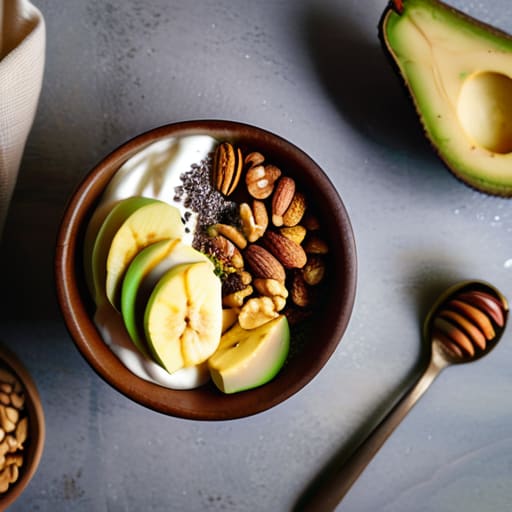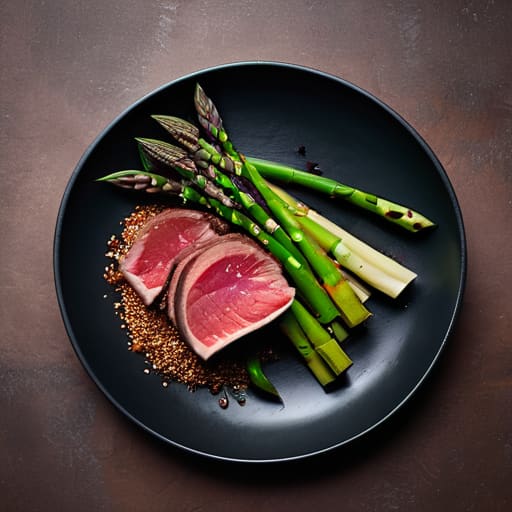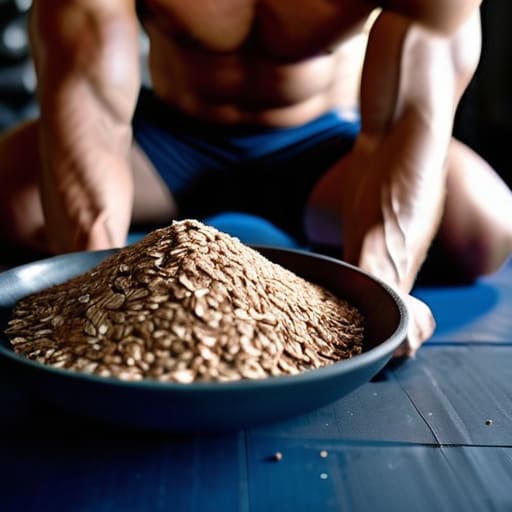
I’m so sick of seeing “gut health and performance” turned into a marketing scheme filled with overpriced, neon-colored powders and complicated supplement stacks that promise to fix your life overnight. If you think a $70 bottle of “proprietary probiotic blend” is going to magically fix your energy levels during a heavy squat session, you’re being sold a lie. I spent years in wrestling gyms where we didn’t have time for fancy wellness trends; we just needed to know if the food we ate was going to make us feel like athletes or make us feel like we were fighting for our lives in the middle of a match.
I’m not here to sell you a miracle cure or a complicated puzzle of dietary restrictions. Instead, I’m giving you the straight truth based on exercise science and years of seeing how real-world nutrition affects real-world movement. We are going to strip away the hype and focus on how you can actually use food as functional fuel to support your training. My goal is to help you build a foundation of consistent capability, ensuring your digestion supports your strength rather than sabotaging your progress.
Table of Contents
- Decoding the Gut Brain Axis and Athletic Performance
- Optimizing Nutrient Bioavailability for Consistent Movement
- Stop Guessing and Start Fueling: 5 Ways to Fix Your Gut for Better Gains
- Making Gut Health Work for Your Training
- ## Stop Treating Your Gut Like an Afterthought
- The Bottom Line on Gut Integrity
- Frequently Asked Questions
Decoding the Gut Brain Axis and Athletic Performance

Think of your gut and your brain as two athletes training in the same gym; they’re constantly communicating through a high-speed neural highway. This connection, known as the gut-brain axis and athletic performance, means that a disrupted microbiome doesn’t just cause bloating—it can actually mess with your mental focus and drive. When your gut is under stress, your nervous system follows suit. If you’re feeling sluggish or mentally foggy during a heavy lifting session, it might not be a lack of caffeine; it could be a signaling error coming from your digestive tract.
Furthermore, we need to talk about how this internal dialogue dictates your physical resilience. A healthy microbial environment is essential for optimizing nutrient bioavailability, ensuring that the protein and complex carbs you’re eating actually get used to repair tissue rather than just passing through. If your gut is constantly battling low-grade irritation, you’re looking at increased gut-related inflammation and recovery delays. You can’t build elite strength if your body is too busy fighting itself to actually absorb the fuel you’re providing.
Optimizing Nutrient Bioavailability for Consistent Movement

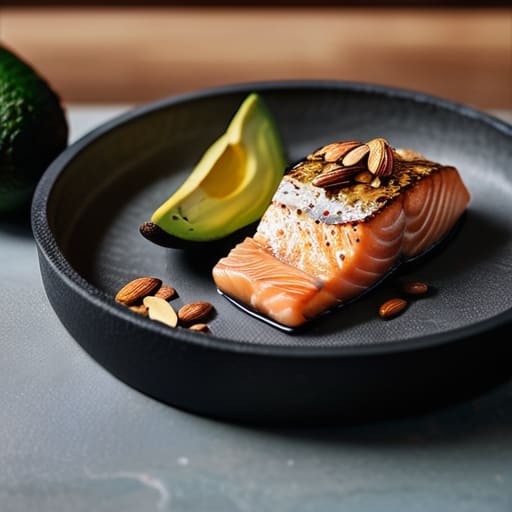
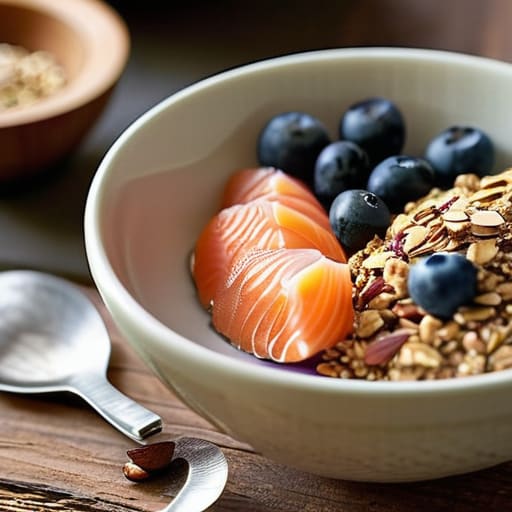
It’s one thing to hit your macros on paper, but it’s another thing entirely to actually absorb them. You can eat the cleanest, most expensive salmon and sweet potato bowl in the city, but if your digestive tract is struggling, you’re essentially leaving performance on the table. This is where optimizing nutrient bioavailability becomes a game-changer. If your gut is inflamed or sluggish, those essential amino acids and micronutrients aren’t reaching your muscles when they need them most. We aren’t just eating for calories; we are eating to ensure our cells actually get the tools required to repair and rebuild.
To get there, you have to stop looking at food as just “fuel” and start looking at it as a delivery system. Integrating consistent dietary fiber for gut motility is non-negotiable here. It keeps things moving and ensures that waste doesn’t sit around causing unnecessary systemic stress. When you prioritize a gut that actually functions efficiently, you stop fighting your own body during heavy sessions and start feeling that steady, reliable flow of energy that comes from a well-oiled machine.
Stop Guessing and Start Fueling: 5 Ways to Fix Your Gut for Better Gains
- Prioritize fiber diversity to feed your microbiome. If you’re eating the same three vegetables every single day, you’re starving the beneficial bacteria that help you recover. Aim for a wide range of plant sources to keep your internal ecosystem resilient.
- Stop treating hydration like an afterthought. I carry my electrolyte shaker everywhere for a reason; if you’re chronically dehydrated, your gut motility slows down, and you’ll end up feeling heavy and sluggish during your sessions.
- Watch your processed “convenience” fuels. I get it, life is busy, but those highly processed protein bars can be a nightmare for your digestion. Stick to whole food sources whenever possible to avoid the bloating that kills a good training session.
- Manage your systemic stress to protect your GI tract. You can have a perfect diet, but if you’re redlining your nervous system with constant high-intensity training and zero recovery, your gut is going to pay the price. Restorative yoga isn’t just a hobby; it’s a tool for gut integrity.
- Track your gut’s response to training intensity. If you find yourself hitting a wall or feeling nauseous during heavy lifts, listen to your body. It’s usually a sign that your fueling strategy or your recovery isn’t keeping pace with the demands you’re placing on your physique.
Making Gut Health Work for Your Training
Stop viewing nutrition as a math problem and start seeing it as fuel; if your gut isn’t absorbing what you eat, you aren’t building the strength you’re working for in the gym.
Prioritize gut integrity to stabilize your focus and energy, because a chaotic digestive system leads to a chaotic training session.
Consistency is the only way forward—don’t expect overnight miracles, but do expect your performance to shift when you stop fighting your body and start fueling it properly.
## Stop Treating Your Gut Like an Afterthought
You can have the most dialed-in lifting program in the world, but if your gut is constantly inflamed and struggling to process fuel, you’re just spinning your wheels; real performance starts with a digestive system that actually works for you, not against you.
Tamsin Broadhurst
The Bottom Line on Gut Integrity

At the end of the day, we can’t ignore the reality that your training is only as good as your ability to absorb what you’re putting into your body. We’ve looked at how the gut-brain axis dictates your mental focus during a heavy set and how optimizing bioavailability ensures that every gram of protein or carb actually goes toward repairing tissue rather than just passing through. If you’re ignoring your digestive health, you’re essentially trying to run a high-performance engine on low-grade fuel. Stop viewing nutrition as a separate chore and start seeing it as the foundational layer of your physical capability.
I want you to walk away from this knowing that strength isn’t just about what happens under the barbell; it’s about the invisible work happening inside your system every single day. Whether you’re stepping onto a wrestling mat or hitting a new PR in the squat rack, your resilience is built from the inside out. Don’t aim for perfection, but aim for consistency and intention. Treat your gut with the same respect you give your training split, and you’ll find that your body finally has the resources it needs to meet every challenge you throw at it. Now, go fuel for the work ahead.
Frequently Asked Questions
How do I tell if my training fatigue is actually a gut issue rather than just a bad recovery session?
Listen, if your fatigue feels “heavy” in a way that sleep doesn’t fix, pay attention. Normal training fatigue usually clears after a solid night’s rest or a refeed. But if you’re waking up with bloating, brain fog, or that weird, hollow nausea during your warm-ups, it’s likely your gut. If your energy levels are crashing mid-session despite hitting your macros, stop blaming your central nervous system and start looking at your digestion.
Should I be adjusting my fiber intake on heavy lifting days versus my rest days to avoid bloating?
Honestly, don’t overcomplicate it. I usually tell my athletes to keep fiber consistent to maintain steady digestion, but if you’re feeling heavy or bloated before a massive squat session, dial the roughage back slightly on your heavy lifting days. Focus on more easily digestible carbs when you need immediate fuel. On rest days, that’s when you load up on the fiber to keep things moving. Train for capability, not just to fight your own digestion.
Are there specific supplements that actually help with nutrient absorption, or is that just marketing noise?
Look, most of what you see on Instagram is pure marketing noise designed to drain your wallet. You don’t need a “miracle” pill to absorb nutrients. However, things like digestive enzymes or probiotics can actually be useful tools if your digestion is legitimately sluggish. My rule? Focus on whole foods and gut integrity first. If your foundation is solid, you won’t need to chase expensive supplements to stay capable.