
I still remember the smell of stale sweat and floor cleaner in that cramped basement gym during my early twenties, gasping for air mid-scramble because I’d spent my afternoon trying to “optimize” my macros with some overpriced, trendy diet plan. I was following every influencer’s advice, yet I felt like a hollow shell by the second period. People love to turn wrestling nutrition for energy into this complicated, expensive puzzle involving specialized supplements and restrictive calorie counting that actually leaves you completely drained when you hit the mat. It’s nonsense. You don’t need a chemistry degree or a massive budget to perform; you just need to stop treating your body like a math equation and start treating it like an engine.
I’m not here to sell you on a magic powder or a restrictive meal plan that makes you miserable. Instead, I’m going to give you the straight truth based on science and mat time. We’re going to strip away the hype and focus on how to eat so you can actually sustain the grind, build real capability, and show up to every practice feeling strong and ready to work.
Table of Contents
The Science of Stability Complex Carbohydrates for Endurance
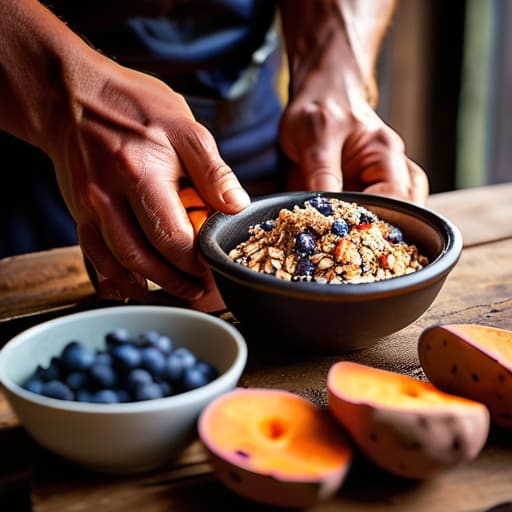
If you’ve ever felt your legs turn to lead during a third period, you know exactly what it feels like when your engine runs dry. That sudden drop isn’t just “being tired”; it’s usually a physiological failure to manage your fuel. This is where complex carbohydrates for endurance become your best friend. Unlike the quick spike and immediate plummet you get from sugary snacks, complex carbs—think sweet potatoes, oats, or brown rice—break down slowly. They provide a steady stream of glucose to your bloodstream, which is essential for maintaining the high-intensity output required on the mat.
Understanding the glycemic index for athletes is the difference between finishing a match strong and gasping for air. When you prioritize low-glycemic foods, you are essentially building a slow-burning log for a fire rather than throwing handfuls of gasoline on it. By focusing on these sustained energy sources, you aren’t just eating; you are preventing mid-match crashes that can cost you a takedown or a crucial escape. We train for capability, and that capability starts with stable blood sugar.
Strategic Pre Match Meal Timing for Peak Capability

Timing your intake isn’t about following a rigid schedule; it’s about respecting your digestion. If you slam a heavy meal twenty minutes before you step onto the mat, your body is going to spend its energy trying to digest that food instead of powering your shots and sprawls. For most of my athletes, I recommend a substantial meal about three hours out. This gives your stomach enough time to process the food so you aren’t feeling heavy or nauseous when the whistle blows.
As you get closer to the match, you need to pivot. About sixty minutes before competition, shift toward something lighter and more easily digestible. This is where understanding the glycemic index for athletes becomes a game-changer. You want something that provides a steady stream of fuel without the bloat. I’m a big fan of a small serving of fruit or a simple rice cake with a bit of honey. The goal here is preventing mid-match crashes by ensuring your blood sugar stays stable, rather than spiking and then plummeting right when you need that explosive power for a takedown.
Stop Guessing, Start Fueling: 5 Non-Negotiables for Mat Readiness
- Prioritize protein density, not just volume. If you’re hitting the mats after a heavy lifting session, your muscles need more than just a handful of nuts to repair; aim for high-quality, bioavailable protein sources that actually support muscle synthesis without making you feel heavy or sluggish.
- Master your electrolyte timing. I see so many athletes crash mid-practice because they’re chasing water but ignoring minerals. Don’t wait until you’re cramping to reach for your shaker; keep your sodium and magnesium levels steady to maintain nerve function and prevent that dreaded mid-round brain fog.
- Stop fearing fats, but time them right. Healthy fats are essential for hormone health and long-term energy, but if you eat a massive bowl of avocado and nuts right before a wrestling session, you’re going to feel like a lead weight. Save the heavy fats for your recovery meals and keep your pre-training fuel leaner.
- Learn the difference between “full” and “fueled.” There is a massive psychological trap in thinking a heavy meal equals energy. You can feel physically stuffed and still be metabolically starving during a match. Focus on nutrient density so your body has the actual tools to perform, rather than just filling your stomach.
- Build a consistent “emergency” snack kit. When training gets intense, your blood sugar can dip faster than you realize. Keep something quick-digesting and simple—like a banana or a small amount of dried fruit—in your gym bag so you aren’t trying to power through a technical drill on an empty tank.
The Bottom Line: Fueling Your Capability
Stop viewing food as a reward or a punishment; treat your macros as the raw materials required to build a resilient, combat-ready body.
Prioritize steady energy over quick fixes by leaning on complex carbs, ensuring you don’t hit a wall halfway through a heavy scramble.
Master your timing so your digestion isn’t working harder than your muscles when you step onto the mat.
Stop Guessing, Start Fueling
If you’re showing up to the mat on an empty tank or a sugar crash, you aren’t training—you’re just surviving. Stop treating your meals like a math problem and start treating them like the fuel required to actually execute the work you’ve put in.
Tamsin Broadhurst
Fueling the Long Game

At the end of the day, wrestling nutrition isn’t about following a rigid, flavorless protocol; it’s about understanding how your body handles the grind. We’ve talked about why complex carbs are your best friend for sustained endurance and why timing that pre-match meal correctly can be the difference between a dominant performance and hitting a wall mid-bout. When you stop viewing food as something to restrict and start seeing it as the essential fuel for your movement, everything changes. It’s about choosing the right nutrients to support the high-intensity demands of the mat, ensuring you have the stability and energy to execute your technique when the third period gets heavy.
Remember, building a capable body is a marathon, not a sprint. You won’t get the nutrition perfect every single day, and that’s okay. What matters is that you show up with the intention to train for capability rather than just chasing an aesthetic. Use these principles to build a foundation that supports your strength, your wrestling, and your life outside the gym. You’ve put in the work on the mats; now, give your body the tools it needs to actually sustain that excellence. Grab your shaker, get your electrolytes in, and let’s get back to work.
Frequently Asked Questions
How do I manage my energy levels if I have a double-header tournament day with very little time between matches?
The double-header is the ultimate test of your metabolic engine. When you’re staring down back-to-back matches with zero breathing room, stop reaching for the heavy stuff. You need fast-acting, liquid-friendly fuel. Think simple glucose—fruit pouches, honey packets, or a sports drink—to keep your blood sugar from cratering between rounds. Don’t try to digest a full meal; just sip and snack strategically to keep your engine running without feeling heavy on the mat.
Should I be cutting carbs to make weight, or is that going to tank my performance on the mat?
Look, I’ve seen too many athletes wreck their performance by starving themselves to hit a number on a scale. If you cut carbs too aggressively, you aren’t just losing weight; you’re losing the explosive power you need to finish a takedown. Don’t trade your capability for a lower weight. Focus on managing your total caloric intake and fiber instead. You want to walk onto that mat feeling light, but you need your engine running.
What are some practical, non-messy snack options I can keep in my gym bag that won't make me feel heavy during live drilling?
Keep it simple and avoid anything that’s going to sit like a brick in your stomach when you’re mid-sprawl. I always keep a few rice cakes with almond butter or some beef jerky in my bag—they’re easy to grab and won’t leave a mess on the mats. If you need something lighter, a banana or a handful of dried mango works wonders. Focus on quick energy that won’t make you feel sluggish during live drilling.
