I’m so tired of seeing fitness influencers try to turn something as simple as creatine supplementation into this massive, expensive mystery wrapped in a neon-colored tub. You’ll see them pushing “proprietary blends” and high-priced formulas that claim to revolutionize your biology, but most of it is just marketing noise designed to drain your bank account. I remember sitting in those cramped, sweaty wrestling gyms in my early twenties, watching people waste money on every shiny new supplement on the market while ignoring the actual fundamentals of recovery and strength. The truth is, you don’t need a complex ritual or a subscription service to see results; you just need the right tools.
In this post, I’m stripping away the hype and giving you the straight facts. I’m going to walk you through how to use creatine effectively so it actually serves as fuel for your movement, rather than just another item on a cluttered supplement shelf. We aren’t chasing aesthetic trends here; we are focusing on building capability through science-backed, consistent habits. No fluff, no overpriced gimmicks—just the practical knowledge you need to get stronger.
Table of Contents
Maximizing Atp Production and Energy for Real Strength

To understand why this works, you have to look at what’s happening inside your cells during a heavy set of squats or a high-intensity wrestling drill. When you’re pushing through that final, grueling rep, your body relies heavily on a molecule called ATP. Think of ATP as the primary currency for every single movement you make. The problem is, your natural stores of ATP deplete incredibly fast during explosive activity. This is where the real ATP production and energy boost comes in. By increasing your phosphocreatine stores, you’re essentially giving your body a larger “battery” to draw from, allowing you to maintain power output when your muscles start to scream for a break.
It isn’t just about the immediate burst of energy, though. One of the most underrated creatine monohydrate benefits is how it aids in muscle cell hydration. By pulling water into the muscle cells, it creates a more anabolic environment that supports both recovery and structural integrity. This isn’t about “bloating”; it’s about ensuring your cells have the internal pressure and hydration they need to function at their peak. When your cells are hydrated and your energy stores are topped off, you aren’t just training harder—you’re training smarter.
The Science of Muscle Cell Hydration and Function
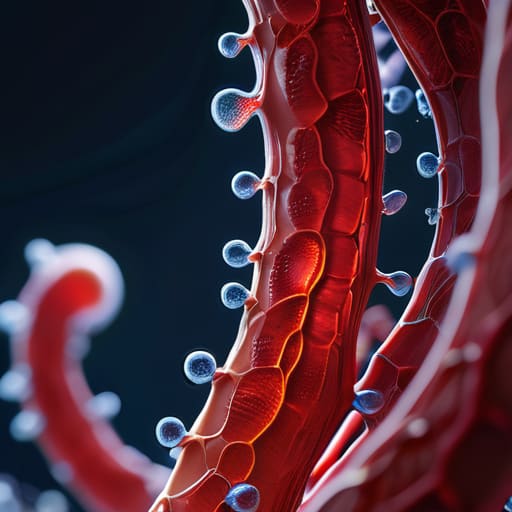
Beyond just the energy bursts we talked about, there is a massive physiological component to how creatine works at a cellular level. When you use creatine, it actually draws water into your muscle cells. This isn’t about “bloating” in the way most people fear; it’s about muscle cell hydration, which is a crucial signal for protein synthesis. Think of it like watering a plant—a well-hydrated cell is a more efficient environment for building and repairing the tissue you’re breaking down during heavy lifting or wrestling drills.
This osmotic effect does more than just make your muscles look fuller. By increasing the intracellular fluid, you’re creating a more optimal environment for cellular signaling and nutrient transport. This is one of the core creatine monohydrate benefits that helps bridge the gap between a hard training session and actual physical adaptation. When your cells are properly hydrated, they are better equipped to handle the stress of high-intensity movement, helping you stay resilient and capable throughout your entire training cycle.
Making It Work for You: My No-Nonsense Guide to Creatine
- Keep it simple with consistency. It doesn’t matter if you take it pre-workout or right before bed, as long as you take it every single day. Creatine works through saturation, not timing, so don’t overthink the clock—just get it in.
- Skip the loading phase if you want to avoid the bloat. While some people swear by taking huge doses for a week to jumpstart results, I prefer a steady 3-5 gram daily dose. It takes a little longer to reach peak levels, but it’s much easier on your stomach and keeps things steady.
- Hydration is non-negotiable. Since creatine pulls water into your muscle cells to help them function, you need to be proactive about your fluid intake. If you aren’t sipping on water or electrolytes throughout the day, you’re missing out on the actual benefits.
- Don’t fear the scale. If you see the number on the scale creep up slightly in the first few weeks, don’t panic—it’s likely just intracellular water weight, which is exactly what we want for muscle performance and recovery.
- Prioritize quality over hype. You don’t need fancy, expensive “designer” creatine formulas. Stick to Creatine Monohydrate. It’s the most researched, most effective, and most cost-efficient version available. Everything else is usually just marketing fluff.
The Bottom Line: Making Creatine Work for You
Don’t overcomplicate it—creatine isn’t a magic pill, but it is a reliable tool to help you maintain intensity when your training gets heavy.
Consistency is your best friend; skip the fancy loading phases if they stress you out and just focus on daily, steady intake to keep your levels topped up.
View supplementation as part of your overall fuel strategy, ensuring you’re pairing it with proper hydration and enough total calories to actually see the strength gains you’re working for.
Strength is Built, Not Found
“Stop looking at creatine as some magic pill for aesthetics and start seeing it for what it actually is: a reliable tool to help you stay consistent when the training gets heavy and the sessions get long.”
Tamsin Broadhurst
Making It Work for You
At the end of the day, creatine isn’t some magic potion or a shortcut to bypassing hard work. It’s a foundational tool that supports your ATP production and keeps your muscle cells hydrated so you can actually perform when the intensity ramps up. Whether you’re grinding through a heavy squat session or navigating a high-intensity wrestling drill, the goal is to provide your body with the resources it needs to recover and adapt. Don’t overcomplicate the protocol; stick to a consistent daily dose, prioritize your whole-food nutrition, and let the science do its job. It’s about optimizing your biology to match the effort you’re putting in on the mats or in the weight room.
I want you to stop viewing supplements through the lens of aesthetics and start seeing them as fuel for your capability. We aren’t training just to look a certain way; we are training to be resilient, powerful, and ready for whatever challenge comes our way. Use creatine as one piece of a much larger puzzle that includes discipline, movement, and rest. Build your strength one rep at a time, stay consistent with your habits, and trust the process. You have the tools to become the strongest version of yourself—now go out there and earn it.
Frequently Asked Questions
Will taking creatine make me feel bloated or cause unwanted water retention?
Here’s the truth: you might see a slight bump on the scale during the first week, but it isn’t “fat” or “bloat” in the way you’re thinking. Creatine pulls water into the muscle cells, not under the skin. This actually helps with muscle fullness and recovery. If you’re feeling puffy, you’re likely just not drinking enough water. Keep your hydration high, stay consistent, and trust the process—it’s fueling your performance, not slowing you down.
Do I actually need to go through a "loading phase," or can I just take a consistent daily dose?
The short answer? You don’t need to. Loading with 20 grams a day for a week can saturate your muscles faster, but it often leads to bloating or stomach issues—and I’m not interested in anything that messes with your training. If you just stick to a consistent 3–5 gram daily dose, you’ll get to that same place; it just takes a little longer. Consistency beats intensity every single time.
Is it okay to take creatine on my rest days, or should I only use it when I'm actually training?
Take it on your rest days. Yes, seriously.